Category: Resources and Tools

  • Walking the North Downs Way: A Journey Through Time, Friendship, and Renewal

    Walking the North Downs Way: A Journey Through Time, Friendship, and Renewal

    A First Taste of Freedom

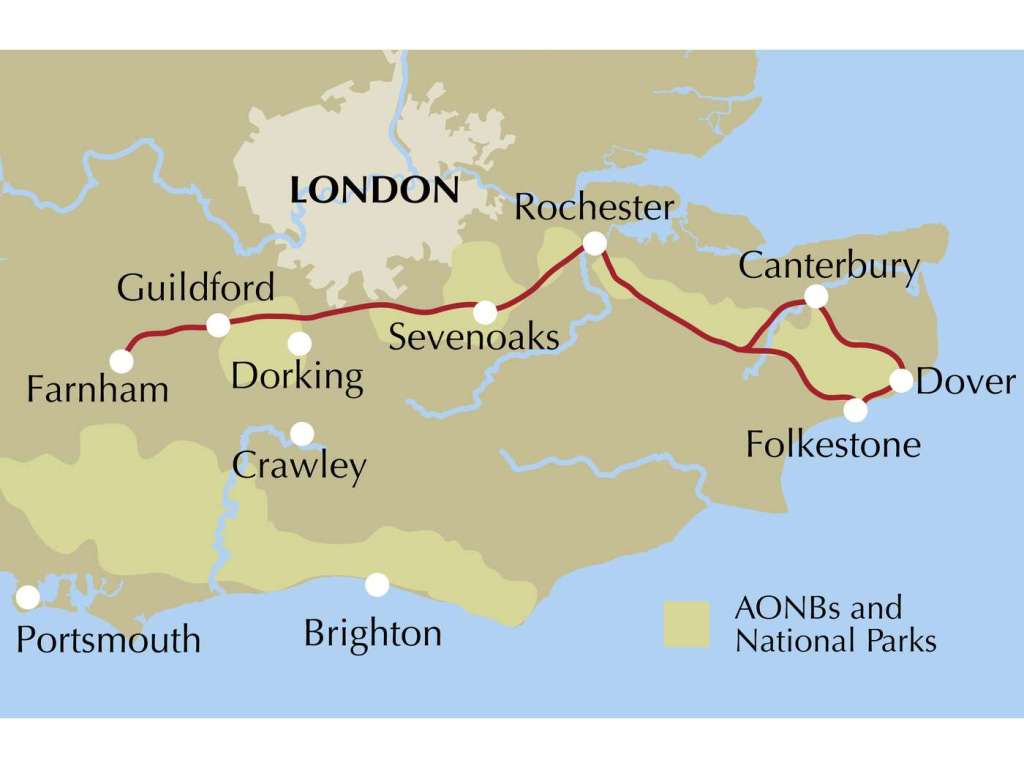
    I started walking the North Downs Way when I was still in school with a friend. It felt like a real adventure getting to Farnham by train and starting a two-night walk to Box Hill. We weren’t very prepared, using a ramshackle collection of old camping gear and an old tarp as our shelter. But we had an amazing couple of days, getting lost, trying to cook food, and putting up the shelter. It was real freedom for a young school kid, even with feet full of blisters from ill-fitted boots.

    Returning with New Eyes

    Years later, I returned to the trail with another kindred spirit. We decided to restart the journey so they could begin it as I had. This time, we were more prepared. With several walking and mountaineering trips between us, we had lighter gear, better boots, and a clearer sense of direction. We covered the route more quickly between Farnham, through Guildford, and onto Box Hill. The section was rich with forest paths, stunning views, and historic pillboxes scattered along the route. We still used a tarp shelter, setting up camp after dark and disappearing again early in the morning.

    Over several years, we completed more two-day sections in this way. Quick, joyful bursts that focused on mileage, camaraderie, and shared laughs, often ending with a local pub. One memorable night involved stumbling into a beer festival and a late-night campsite scramble.

    Walking as Medicine

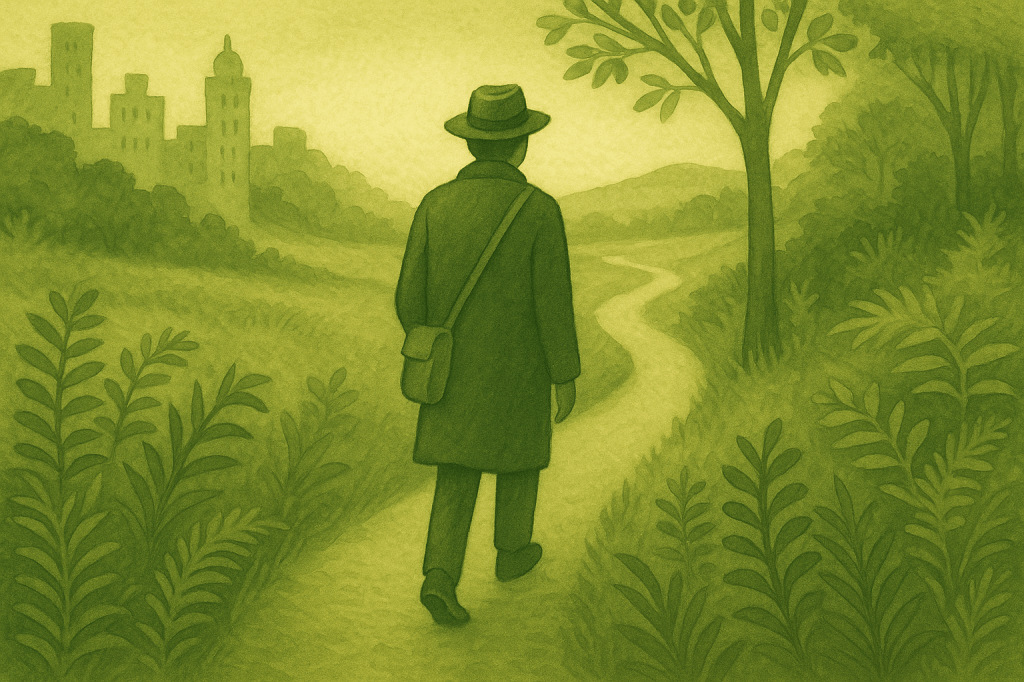
    After a period of life challenges, I felt the pull to return again, but this time alone. What began as a trail walked in youth and adventure had become something deeper: a space for healing, reflection, and reconnection.

    With the trail’s good travel connections, I began walking day sections. I planned shorter routes with time to stop and soak in the experience. There were moments of slow, meditative walking, just listening and sensing, and often a feeling of merging with the surroundings. These solitary walks gave me new perspective and a sense of peace I hadn’t realised I needed.

    Eventually, I reached Canterbury. Though the trail continues, this point felt like a natural and symbolic place to pause: a full-circle moment that brought me back to a centre point in myself.
    Following in Ancient Footsteps

    Much of the North Downs Way aligns with the historic Pilgrims’ Way, an ancient route said to have stretched from Winchester to Canterbury which are two significant cathedral cities. While the term ‘Pilgrims’ Way’ was popularised during the Victorian era, many believe it traces a route walked for centuries by those journeying to the shrine of Thomas Becket at Canterbury Cathedral.

    This connection adds another layer of reflection to the trail. Walking this path isn’t just a scenic experience, it’s also a way of treading ground steeped in story and significance. For modern pilgrims, spiritual seekers, or those simply curious about deeper journeys, this link can transform a long-distance path into a soulful rite of passage.

    Other pilgrims’ routes like the Via Francigena, which stretches from Canterbury all the way to Rome, also share this sacred starting point, reminding us that Canterbury is not an end, but often a beginning.

    On the Evolving Nature of a Journey

    One thing that’s stood out across the years is how age and maturity reshape the journey. In my youth, walks were energetic and driven by challenges. More about how far, how fast, how wild. As I grew older, the same path invited a gentler approach. Walking became more about connection than conquest; more about the journey than the destination.
    A Note on Wild Camping

    While wild camping is technically not allowed on the North Downs Way, we made every effort to follow leave-no-trace principles. Arriving late, departing early, and never leaving a mark. Although I can’t advocate it for legal reasons, I do acknowledge its role in our experience.

    Interested in Walking the North Downs Way?

    If anyone is interested or has questions, feel free to get in touch. In the coming months, I plan to offer introductory walking sessions from Farnham to Guildford for those looking to begin their own journey but need a little extra confidence to get started.

    Further Resources

  • A Mindful Moment Between Meetings

    Sometimes, a simple lunchtime walk becomes something more.

    During a particularly difficult period in my career, I found myself pulled toward green spaces in search of a reset. These solo escapes, sometimes just 20 minutes long became something like medicine. A picnic bench under a tree. A quiet trail just past the last row of houses. A patch of forest where you could feel the day exhale.

    What started as a breath of fresh air turned into a quiet ritual. I began to spend longer in these outdoor pockets of calm, and on some days, even joined video meetings from woodland clearings or grassy meadows. To my surprise, the people on the other end of the call noticed too the sense of calm, the stillness. It became something I shared, not just something I needed.

    I also brought a sense of curiosity to these micro adventures. Using the Merlin Bird ID app to learn birdsong, or plant ID apps to explore what was growing around me, gave these moments texture and meaning. It wasn’t about covering ground it was about noticing the ground beneath me.

    These mindful moments reminded me:

    • That we don’t always need big plans to feel grounded
    • That nature, even in small doses, can be powerful
    • That connection can be found just a few steps outside the usual routine

    3 Ways to Find a Mindful Moment Near Work

    1. Go solo and slow. Take 15–30 minutes to explore nearby green space without a goal. Walk slowly, notice your breath, your senses, and your surroundings.

    2. Pack a picnic (even if it’s small). A sandwich on a shaded bench can feel like a full reset. Eating slowly, in fresh air, helps you reconnect with your body and the moment.

    3. Let curiosity guide you. Try an app like Merlin or Seek to explore the natural world around you. Notice the birds, plants, textures, and weather patterns you often miss.

    Final Thought

    You don’t have to go far to go deep. Whether it’s a patch of trees near the office or a meadow tucked behind a housing estate, these small moments can shift your perspective and your day.

    If you’ve found your own micro escapes near work, we’d love to hear them.

  • Cycling Slow in Belgium: Family Adventures on Two Wheels

    Cycling Slow in Belgium: Family Adventures on Two Wheels

    Last summer, we discovered just how perfect Belgium is for slow travel. Not by train, or by car, but by bike. With flat landscapes, well-marked cycle routes, and a network of charming towns and pop-up bars, it turned out to be the ideal place for a family-friendly cycling holiday. The pace was gentle, the beer was local, and the chocolate and waffles were heavenly.

    Why Belgium Works for Cycling Travel

    We based ourselves in the Flanders region, which is known for its flat terrain and gentle routes. It’s ideal for new or returning cyclists and especially well-suited to family travel. It was also connected to the Kempen Route which stretches between Antwerp and Maasmechelen, offering plenty of variety, winding through woods, across expansive stretches of heath, dunes and lakes as well as heritage mining areas.

    For those looking for a bit more adventure, Belgium also offers more challenging terrain, particularly in the Ardennes region, where hilly landscapes and forest trails await more experienced riders.

    Belgium’s infrastructure makes it incredibly accessible by bike. The terrain is mostly flat, meaning even the youngest riders or new cyclists can manage longer distances with ease. Designated cycling networks, like the well-known Fietsnetwerk are clearly signed and easy to follow, reducing stress and allowing you to focus on the joy of the journey.

    These routes link towns, parks, forests, and cultural landmarks, with plenty of rest spots, bike-friendly cafés, and surprise pop-up bars in the summer months. It’s the kind of place where the cycling experience feels effortless and welcoming.

    A Family-Friendly Freedom

    We travelled every day by bike, often with no firm plan, just heading to nearby villages, cafĂŠs, or markets. Our children gained so much confidence through daily cycling, learning to navigate, ride further, and enjoying the independence it offered.

    For us as parents, it meant slowing down enough to really notice where we were, from golden wheat fields to steam-side paths and having time to stop, paddle in streams, or simply enjoy a shaded bench under a tree.

    Renting vs Bringing Your Own

    You could bring your own bikes over (especially easy via Eurostar or ferry), but we chose to rent locally and we’re glad we did. The rental bikes were far more comfortable than our own mountain bikes at home. They came with wide seats, upright posture, and baskets which were ideal for picnic supplies or market finds. For longer days or family rides, it made all the difference.

    Bike hire was affordable and widely available, with many shops offering family-friendly options, including kids’ bikes, trailers, and e-bikes.

    Slowing Down for a Local Beer

    Belgium is, of course, famous for its beer and many of the towns we visited had open-air summer bars or taverns right on the route. These relaxed stops became part of our rhythm: a morning ride, a midday beer or lemonade, and an afternoon meander home.

    It was the perfect balance of movement and pause. Travel not just as a way of getting from A to B, but as a way of experiencing a place with all the senses.

    But a word of caution! Some of the brews are very strong.

    Reflections on Travel by Bike

    There’s something quietly powerful about arriving somewhere under your own steam. Travelling by bike invited us to engage with the landscape more deeply, moving at a pace that allowed for noticing. The way the light moved through the trees. The call of birds. The smell of warm summer fields.

    In many ways, this was one of our most memorable family trips, not for the sights we ticked off, but for the way it felt. Free, connected, and delightfully simple.

    Final Thoughts

    Belgium reminded us that adventure doesn’t need to be dramatic to be meaningful. Sometimes it looks like smooth cycle paths, a basket full of picnic snacks, and just enough sun to warm your back.

    Whether you bring your own bikes or rent locally, Belgium is ready-made for slow, mindful family travel on two wheels.

  • The Evolving Flâneur: From Urban Streets to Mindful Trails

    A Brief Stroll Through History

    The flâneur first appeared in 19th-century Paris, a figure caught between observer and participant, strolling aimlessly through boulevards, arcades and alleyways. Made famous by writers like Charles Baudelaire and later thinkers such as Walter Benjamin, the flâneur was not simply a loiterer, but a thoughtful witness to the pulse of the modern city. A connoisseur of the everyday. A collector of impressions.

    While the flâneur was traditionally a solitary, often male figure drifting through the city with a detached gaze, this role has not gone without critique. His ability to wander freely was, in many ways, a product of social privilege, economic freedom, racial invisibility and gender safety.

    What interests us at Mindful Trails is how this idea can evolve: from the disconnected observer to the eco-flâneur, someone who notices not only people and architecture but also lichen on a wall, the call of a blackbird, or the dew on the web.

    In that sense, flânerie becomes more than aesthetic, it becomes relational. No longer a passive drifting, but a quiet form of belonging. A letting go of the self-as-separate. This has echoes of Buddhist mindfulness: walking not to consume, but to notice. Not to detach from the world, but to realise we were never separate from it in the first place.

    For the flâneur, the walk was the point. The destination was irrelevant. What mattered was immersion in crowds, architecture, shadows, rhythms. This was slow observation as a quiet act of rebellion against speed, structure and productivity.

    Expanding the Practice: From Streets to Streams

    While the original flâneur wandered city streets, the spirit of flânerie can go anywhere the mind and feet are willing to follow. A country lane. A patch of waste ground. A woodland path. A canal towpath. A shoreline.

    At Mindful Trails, we’ve found that this same attentive wandering applies beautifully to natural or hybrid landscapes. Noticing the curl of a leaf. The chatter of jackdaws. The cracks in a paving stone. The worn footpath trodden by centuries of quiet footsteps. This kind of mindful wandering softens the boundary between ‘urban’ and ‘wild.’

    In fact, nature is never truly absent. The moss between bricks, the gull above the car park, the tree pushing up through the pavemen. Flânerie, when approached with mindfulness, invites us to notice that nature is everywhere if we slow down enough to see it.


    Wandering as Resistance

    In a world that values speed, productivity and goals, to walk slowly and observe without purpose is an act of quiet resistance. It reconnects us with our senses. It opens the door to creativity, curiosity and calm.

    The mindful flâneur is not necessarily a romantic figure in a long coat anymore. They are a parent on a slow walk with a child. A solo explorer taking time to watch the light shift through trees. A traveller who chooses to walk between villages rather than rush through them.

    Slowing Into Connection

    One thing I’ve noticed on my own walks is how presence changes pace. The more I slow down, the more my body begins to sync with the rhythm of the place, be it woodland, coast, or quiet backstreet. My feet respond to the terrain, my breath settles with the breeze, and my awareness gently shifts from self to surroundings.

    It’s as if I’m no longer passing through a landscape, but becoming part of it.

    In this way, the flâneur evolves from someone observing life, to someone rejoining it. Moving from a human-centred gaze to a more humble noticing of all life. The moss on the stone. The red kite calling above. The silence between bird song.

    This, for me, is where flânerie meets mindful trails. Where wandering becomes belonging.

    A Mindful Trails Invitation

    You don’t need Parisian arcades or a curated route. You just need time, awareness and a willingness to follow your feet. Whether you’re walking through a village high street the edge of a woodland, or the hinterland of the edgelands a term coined by Marion Shoard, the flâneur mindset invites you to ask:

    What do I notice when I stop trying to get anywhere fast?

    • What do I notice when I stop trying to get anywhere fast?
    • What’s usually invisible but now stands out?
    • What textures, sounds or patterns pull me in?

    At Mindful Trails, we think this spirit of exploration belongs to everyone, children and adults alike. It’s not about covering ground, but deepening it.

    So the next time you go out for a walk, try leaving your destination behind. Wander slowly. Let your surroundings speak. You might be surprised by what you find.

    🌍 Further Wandering: Related Resources


    Slow Ways – A grassroots initiative mapping walking routes between towns and cities across the UK. Perfect for slow, mindful journeys that mirror the spirit of the flâneur.

    Street Wisdom – An organisation offering guided urban walks to unlock insight and creativity through attention and presence.

  • Wild Water Play in Surrey & Hampshire: Streams, Rivers, and Hidden Paddling Spots

    There’s something timeless about playing in water, whether you’re a child splashing through a shallow stream or a parent trailing your fingers in the current. It’s free, fun, and grounding. In the spirit of slow family adventures, here’s a curated selection of streams and rivers around Surrey and Hampshire that are perfect for a paddle, a picnic, or a peaceful moment by the water.

    Frensham Great Pond, Surrey
    A popular Green Flag Award winning site with sandy shores and calm waters. Great for younger children. Early mornings are quieter. There are clearly defined designated bathing areas.

    Waggoners Wells, Hampshire
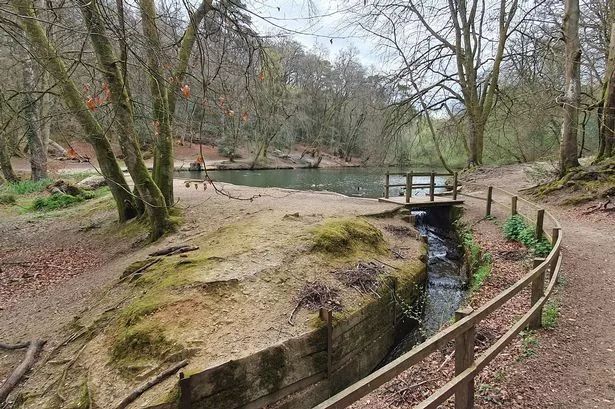
    Woodland paths, interconnected ponds, small streams, and a wishing well make this spot feel like a fairy-tale forest. Ideal for small-scale adventures.

    Gostrey Meadow, Farnham, Surrey
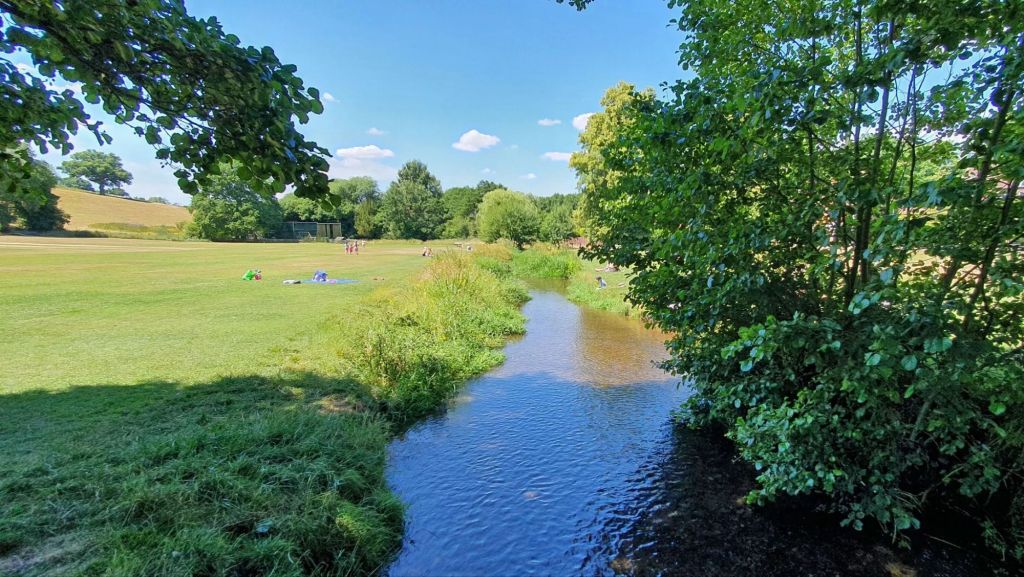
    Right in the centre of Farnham, this park features a shallow stream running through a landscaped meadow. Perfect for quick visits, with a playground nearby and lots of space to picnic.

    Abinger Hammer, near Dorking, Surrey
    A classic Surrey spot with a shallow stream, grassy picnic areas, and a gentle current ideal for barefoot paddling. Watch out for ducks and a great little ice cream shop!

    Bonus: A Little Further Afield – Wowo Campsite, East Sussex
    If you’re up for a short trip beyond Surrey and Hampshire, Wowo Campsite in East Sussex is well worth a night away. This family-friendly site features a shallow stream running right through it, offering hours of water play, mini bridges, and muddy fun. Combine with campfires and woodland walks for a full slow adventure.

    🧺 Tips for Mindful Water Play

    • Go early or midweek for a quieter experience
    • Bring a towel, a change of clothes, and water shoes
    • Pack a picnic and stay a little longer than you think you’ll need
    • Let children lead the way, they’ll find magic in the smallest ripple

    These spots can become mini adventures with minimal planning. Wherever you go, take your time, tread lightly and leave no trace.

    📍 Know a stream we should add to the list? Add it to the comments below.

    Happy splashing!

  • A Mini Mindful Adventure at Winkworth Arboretum

    We set off on a warm, golden day with no real expectations, just a simple family walk, a designated route to follow, and a shared aim to spot butterflies as we wandered. The air carried the scent of trees baked in the recent heat, and the path led us through tall foxgloves, ferns reaching skyward, and butterflies dancing ahead of us.

    As we descended toward the lower paths, the trail followed a gentle stream that weaved through patches of wetland. Eventually, we came to a small opening where the light poured in and the water glimmered through the trees.

    Our children quickly claimed it as their own, “the magical lagoon” they called it. They paddled in the stream, climbed over mossy logs, and let the stilled air wrap around them like a cocoon. Meanwhile, we found ourselves caught in a familiar parenting rhythm: the pull to move on, to stick to the route, to complete what we’d started.

    But then we caught ourselves.

    We paused, dropped the need to continue, and joined them. The reward was a rare kind of stillness. We watched beautiful blue damselflies hover, then land gently on our hands. The water, the soft sounds of the woods, and the joy of letting go. This became the heart of the walk.

    From then on, our pace slowed. We stopped more. Looked more. Let the children lead. The walk became something else entirely. Not a checklist to complete, but a presence to sink into.

    We left Winkworth later than planned and completely unbothered by the fact.

    🧭 Notes for Fellow Explorers:

    • Winkworth Arboretum is a National Trust property, but we used a free family pass. These are occasionally available through offers and promotions, so keep an eye out. We’ll share any we see. You could of course decide to join as a member. Click here for more information.
    • Winkworth Arboretum is well known for its gorgeous yellow, orange and red foliage in autumn and stunning bluebell carpets in the spring.
    • The walk can be adapted for all ages, and there are multiple route options depending on your energy levels.
    • Bring a change of clothes if your little ones like water, they’ll likely want to stay in the “lagoon” for a while.

    ✨ Reflections

    Any simple walk like this can become a mini mindful adventure : a way to reconnect with nature, presence, and each other. Sometimes all it takes is letting go of the route and sinking into the moment.

  • A Mindful Paddle: Canoeing the Wye Valley

    Sometimes the most memorable adventures come not from rushing across landscapes, but from gliding gently through them. Our canoe trip with friends on the River Wye, from Hoarwithy to Symonds Yat, was one of those slow adventures that imprinted itself with quiet strength.

    🛶 Paddling the Route – Hoarwithy to Ross-on-Wye

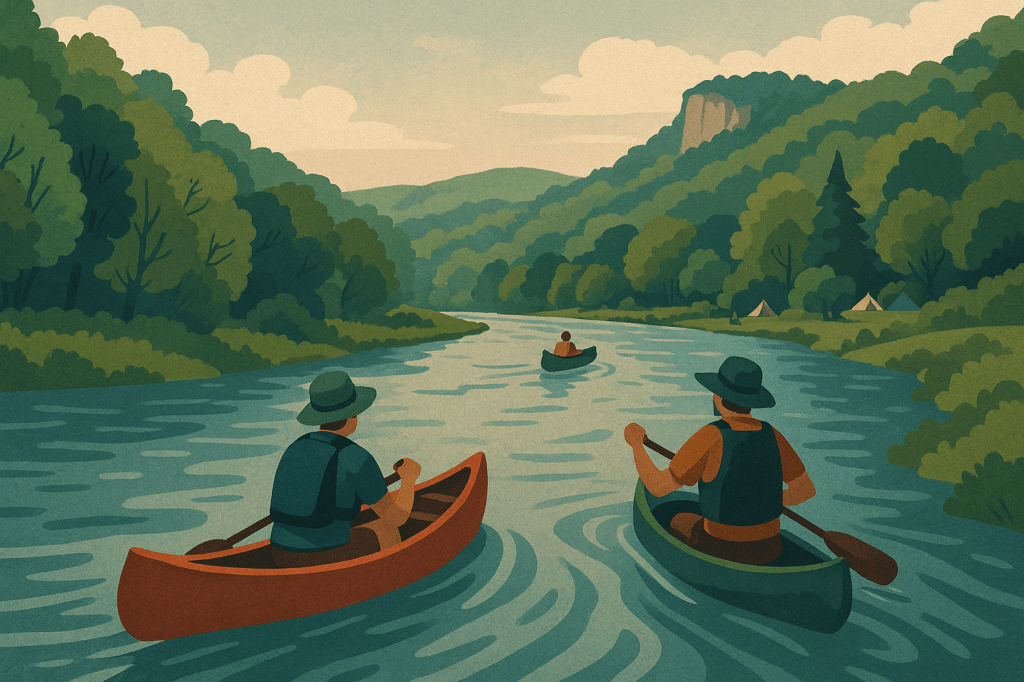
    We launched our Canadian canoe at Hoarwithy, a sleepy hamlet where the River Wye curves through quiet countryside. Our plan: a two-day paddle to Symonds Yat, with a night under canvas near Ross-on-Wye.

    The water here is calm and welcoming, ideal for easing into the rhythm of paddling. Fish were leaping on the surface of the calm surface, herons rising silently from the margins, and the riverbank felt alive with subtle movement. We passed under charming bridges and occasionally historic landmarks tucked among the trees.

    Drifting at midday for a simple riverside picnic, we soaked in the birdsong and reflections dancing on the water. The occasional drizzle only made it feel more alive. The paddle itself remained relaxed and scenic throughout.

    We arrived in Ross-on-Wye by late afternoon, where we set up at Ross Rowing Club & Campsite, a peaceful riverside spot perfect for unwinding. You could just as easily choose a cozy bed and breakfast or a room in town, but camping kept us close to the river.

    🛶 Day 2: Ross-on-Wye to Symonds Yat

    Day two began with low clouds and the soft scent of light rain and wet trees. We packed up and returned to the river, the current just strong enough to keep us moving steadily. This stretch was perhaps even more scenic, winding past sandstone cliffs and forested banks.

    As we approached Symonds Yat, the cliffs grew steeper and the valley narrower. With some apprehension we then successfully navigated the final rapids with a mix of fun and adrenaline that marked a thrilling close to the paddle. Shortly after we were met at the end point by our canoe hire team.

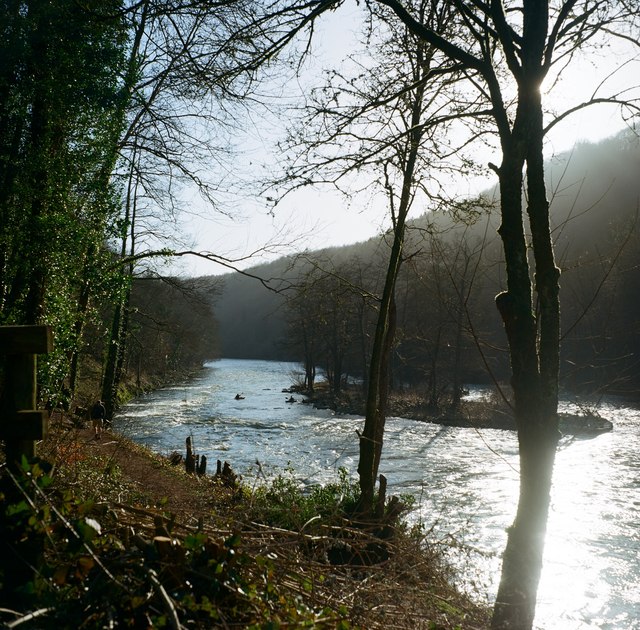
    Canoeists at Symonds Yat by John Winder is licensed under CC-BY-SA 2.0

    To finish, we hiked up to Symonds Yat Rock viewpoint, a breathtaking overlook where we could trace the route we’d just paddled. The view offered one last moment of reflection, a quiet triumph at the end of our river journey.

    Along the way, we’d glided through tranquil meanders, shaded woodland, and past silent herons taking flight. Of course, no adventure is without its hiccups as at one point we managed to flip a canoe while close to the bank, leaving one of us thoroughly soaked and the rest of us laughing. But those moments only deepened the memory.

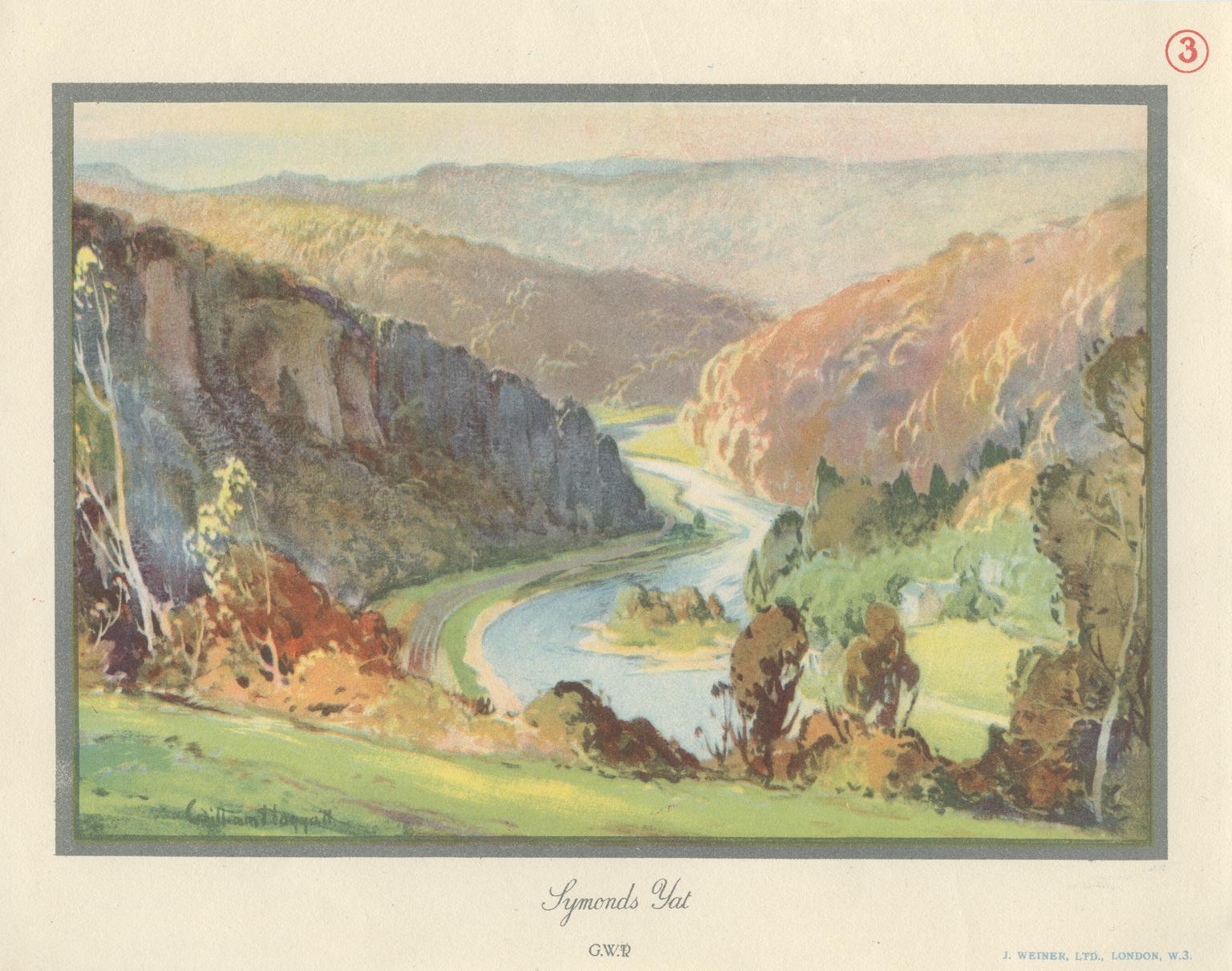
    Symonds Yat by Floggat, William is licensed under CC-BY-NC-SA 4.0

    🧭 Self-Guided but Not Alone

    We chose to paddle independently as we already had some experience, but experience is not necessary as the Wye is a well-supported river for both experienced and new paddlers. Several local companies offer guided options, gear hire, and route suggestions for those who prefer a little backup. Click here for more information.

    🌱 Reflections

    What made this trip so satisfying wasn’t just the movement, it was the stillness it made room for. Moments between paddling, watching mist rise from the water, or stopping for riverside snacks reminded us why we love slow travel. This trip would be ideal for couples, friends, or even adventurous families looking for a gentle, nature rich escape.

    ”Sometimes the most memorable adventures come not from rushing across landscapes, but from gliding gently through them.”

    Whether you’re chasing a short break or planning a longer paddle, the Wye offers space to breathe and scenes that linger long after the river bends out of view.

  • A Beginner’s Guide to Slow Travel

    What if your next trip wasn’t about how far you could go, but how deeply you could arrive?

    Welcome to slow travel. At Mindful Trail, we believe travel is about more than ticking off locations. It’s about connecting with places, people, and ourselves in a way that’s grounded, thoughtful, and rich with presence.

    This guide is for anyone who’s curious about travelling differently, whether you’re planning a family adventure, a solo reset, or simply looking for a gentler way to explore the world around you.

    What Is Slow Travel?

    Slow travel is an approach to exploring that prioritises quality over quantity, connection over consumption, and intention over itinerary.

    It’s not about speed (although that can be part of it), it’s about how you show up in a place. Whether you’re walking a local trail, taking a scenic train through the countryside, or staying put in one spot for a week, slow travel asks: what if we let ourselves truly be here?

    Why Travel Slow?

    1. You notice more. The bird calls. The bakery smell. The story behind the stone wall. Slowness invites observation.

    2. It reduces stress. Fewer connections, more margin. Travel becomes spacious, not rushed.

    3. It’s more sustainable. Choosing trains over planes, walking over driving, and local over global can reduce your footprint.

    4. It helps you connect. To the land, to locals, to your travel companions, and to yourself.

    5. Kids thrive in it. Slowness makes room for curiosity, questions, and unexpected adventures.

    How to Start Slow Travelling

    You don’t have to overhaul everything. Begin with one or two shifts in how you plan your next trip:

    🌏 1. Go for depth, not distance

    Pick one area and explore it more fully. Think a week in the Lakes vs. five cities in seven days.

    🚄 2. Choose slower modes of travel

    Try walking, biking, buses or trains over flying and driving long distances. The journey becomes part of the story.

    ☕️ 3. Leave room to pause

    Don’t overschedule. Allow time for wandering, resting, or following a child’s spontaneous idea.

    🌱 4. Support local and small

    Stay in family-run places. Eat at local cafes. Shop from the market.

    ⚡️ 5. Unplug (a little or a lot)

    Limit screen time. Try a no-phone day. Bring a notebook or sketchbook instead.

    ✈️ 6. Fly less (or flight-free)

    If possible, embrace overland travel. Train journeys can be beautiful, memorable, and grounding. But if flying is necessary, consider ways to pay it forward:

    Look out for local conservation initiatives at your destination, volunteer tree planting, beach cleanups, or community gardening days.

    Choose accommodation that supports sustainable practices. These actions don’t erase the impact of a flight but they can rebalance your trip with mindful, regenerative intention.

    Our Favourite Slow Travel Tools

    Here are a few platforms we use and love:

    Byway Travel – Amazing for flight-free travel across the UK and Europe. They help you design scenic, rail-based trips.

    Slow Ways – A national walking network for exploring the UK by foot, one town at a time.

    Responsible Travel – Curated trips with strong environmental and social values.


    Find more on our Slow Travel Companies page.

    Start Where You Are

    – You don’t have to cross continents to travel slowly. You can:
    – Take a train to the next town and walk home
    – Spend a weekend exploring your local woods
    – Plan a tech-free family day outdoors

    The mindset matters more than the miles.

    Final Thought

    Slow travel isn’t about doing less for the sake of it. It’s about making more of what you do.

    It’s about giving yourself space to connect, adapt, and feel something real without rushing to the next thing.

    So next time you plan a trip, ask: How can I travel more like myself?

    And maybe… a little slower too.

  • Floating Above the Trees: A Multi-Generational Journey Across the Pontcysyllte Aqueduct

    Before children, before the website, before slow travel had a name in our lives, we took a trip that quietly shaped how we see travel today.

    We didn’t know it at the time, but this slow, scenic journey across the Pontcysyllte Aqueduct would stay with us for years. It captured something we now try to hold at the heart of every trip: the idea that presence matters more than pace.

    The journey

    Our trip took around a week, giving us plenty of time to settle into the rhythm of canal life and let each moment unfold without pressure.

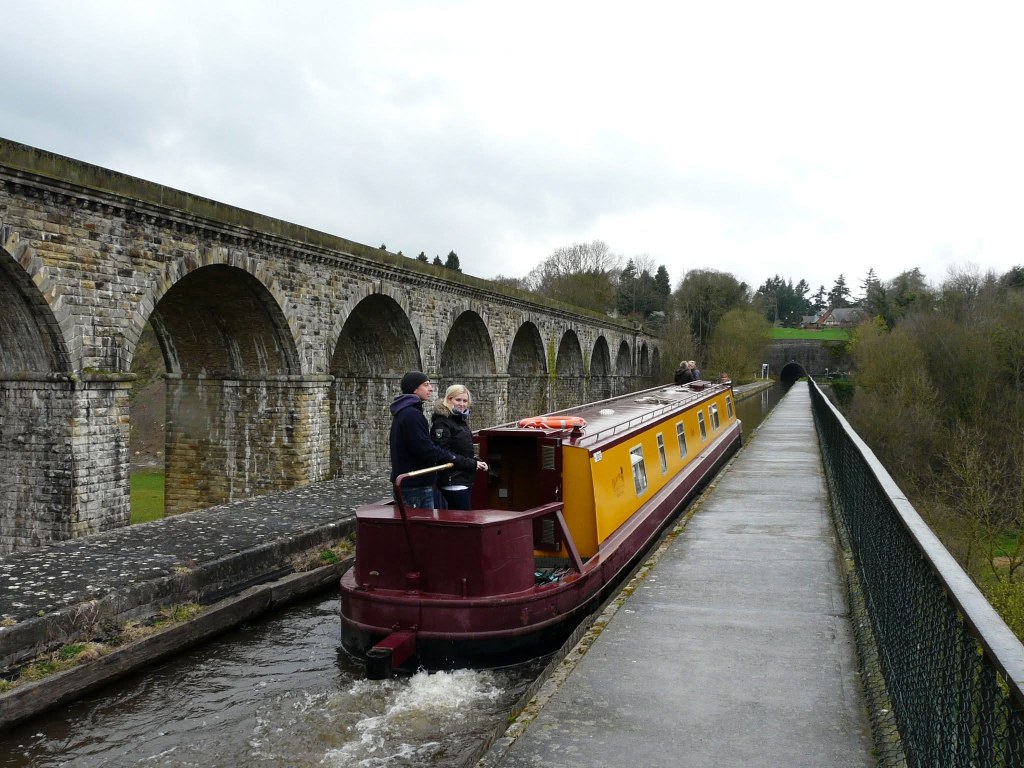
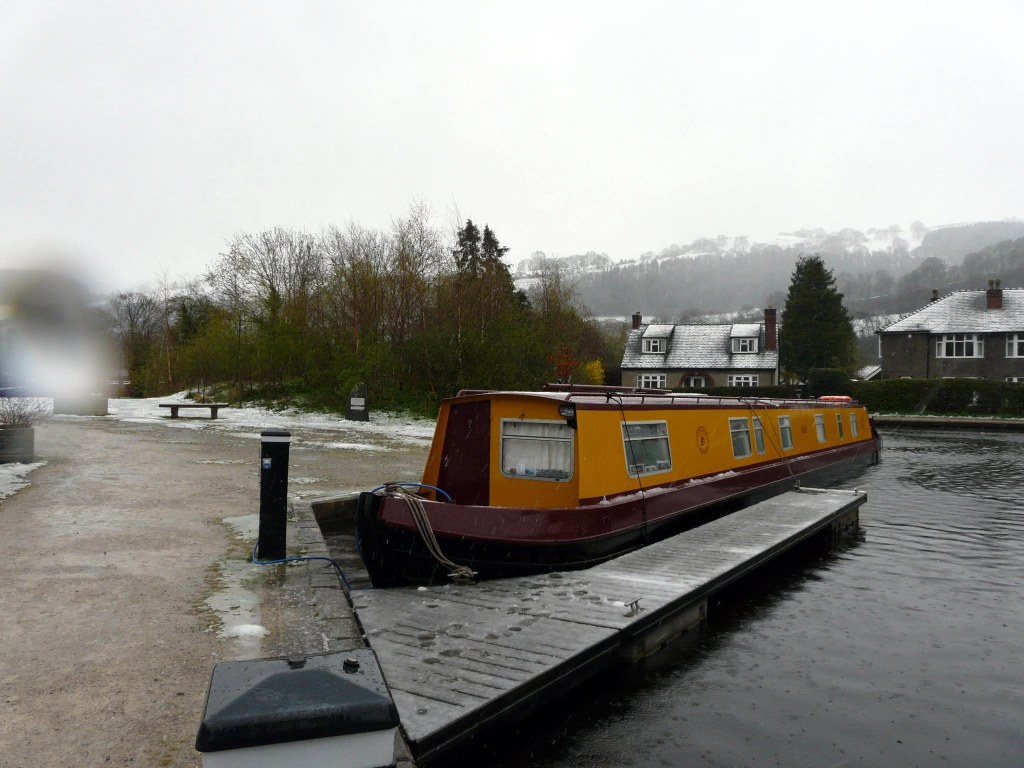
    We hired a narrowboat and set off from Nantwich, a charming market town in Cheshire. From there, we joined the Llangollen Canal, heading toward one of the most spectacular sections of waterway in the UK. The Pontcysyllte Aqueduct, a 19th-century engineering marvel and UNESCO World Heritage Site. Supported by stone pillars that rise out of the valley floor like a Roman viaduct it carries canal boats 38 meters above the River Dee.

    It was a multi-generational trip—grandparents, siblings, and a shared sense of curiosity. Even without children in tow, it was the kind of journey that made us think, “This would be perfect for all ages.”

    Slow Travel in Its Truest Form

    We moved slowly. At around 4mph, everything unfolds differently. There’s time to spot herons and listen to the ripple of the water. The boat becomes a moving home, a shared space to cook, chat, read, or sit in silence.

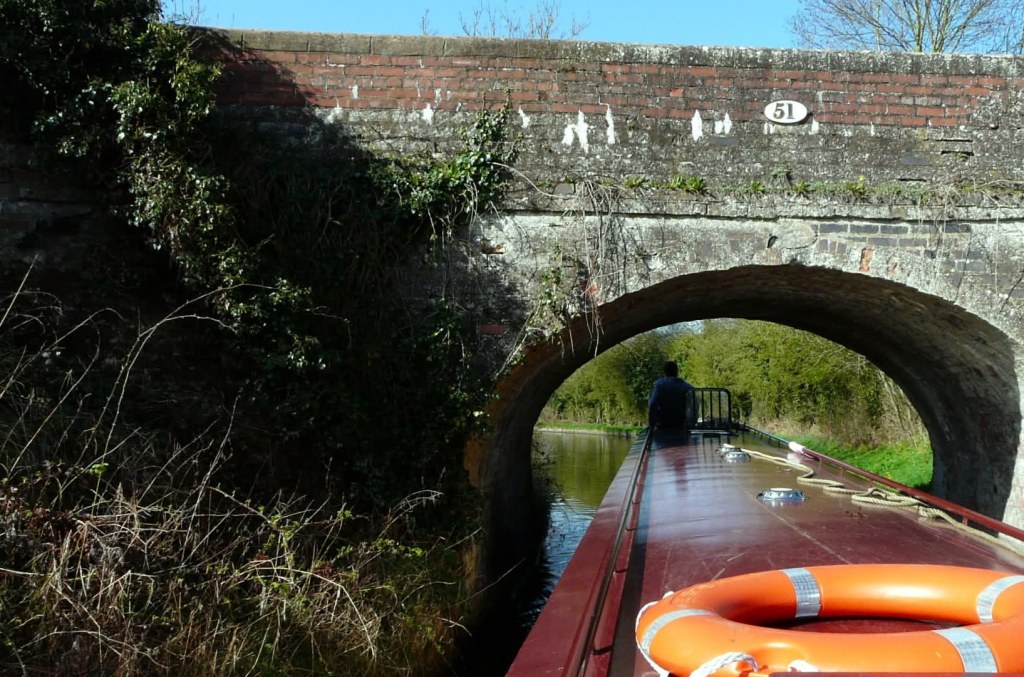
    We took turns steering and working the canal locks, one of those beautiful bits of travel that creates natural teamwork. There were village stops, riverside pubs, and spontaneous chats with walkers and other boaters.

    We also navigated wild weather shifts. What started as warm spring sunshine gave way to sudden wind and snow as we crossed into Wales. Cosy inside the boat, we watched the weather pass through like theatre.

    And yes—at one point, my dad fell in. He was fine (albeit cold), and we still laugh about it.

    The Aqueduct Itself

    Crossing Pontcysyllte is like floating across the treetops. There’s no handrail on one side, just open air and the narrow boat pressed up against the sky. It’s not fast or dramatic. But it’s unforgettable.

    There’s something symbolic about it: a slow, steady crossing over something vast. A moment of perspective. A suspended breath.

    Why It Still Inspires Us

    Looking back, this trip was a turning point. Not because it was exotic or complicated but because it showed us what travel could be when we removed the rush.

    It was:

    • A chance to be together across generations
    • A reminder that weather can be part of the story
    • A way to connect with nature at walking pace (only on water)
    • A nudge toward reflection, not entertainment

    This trip wasn’t about sightseeing. It was about being there.

    Practical Tips for Your Own Canal Trip

    f you’re considering something similar:

    • We started our journey at Nantwich, a charming market town with good hire options and a gentle start to the canal.
    • Follow the Llangollen Canal to take in tunnels, lift bridges, open countryside, and of course the breathtaking Pontcysyllte Aqueduct. More on the route here.
    • Canal boat hire companies offer a wide range of options depending on the time you have available.
    • No prior experience is needed—you’ll be shown how to steer and work the locks.
    • Plan loosely. Leave space for weather, wandering, and pauses.
    • Go slow intentionally—that’s the magic.

    Find more at: https://www.pontcysyllte-aqueduct.co.uk/business-community/boat-trips-boat-hire/

    Final Thought

    Sometimes the most powerful travel stories don’t begin with flights, bucket lists, or epic plans. Sometimes they begin with a boat moving quietly through a valley, a change in the weather, and a family leaning into the moment.

    We didn’t know it then, but that trip was the beginning of our slowest, most meaningful trail yet.

    And yes our dad still gets teased about the canal.