Category: Slow Travel Stories

  • Grid Square 3: Still Waters and Secret Sets

    I began my walk at a large car park, following a wide trail skirting a cross-country horse field, where jumps lay scattered across the open space. The trail eventually led me to a large, partially fenced private fishing pond. A small plaque beside it commemorated someone who had helped establish the pond but, sadly, never had the chance to fish it. Standing there stirred memories of fishing as a teenager, of slow, sun-drenched days by the water and the quiet peace they brought.

    Crossing a narrow stream, I stepped into Ministry of Defence land a vast patchwork of terrain that, despite its primary function, forms an important sanctuary for biodiversity.
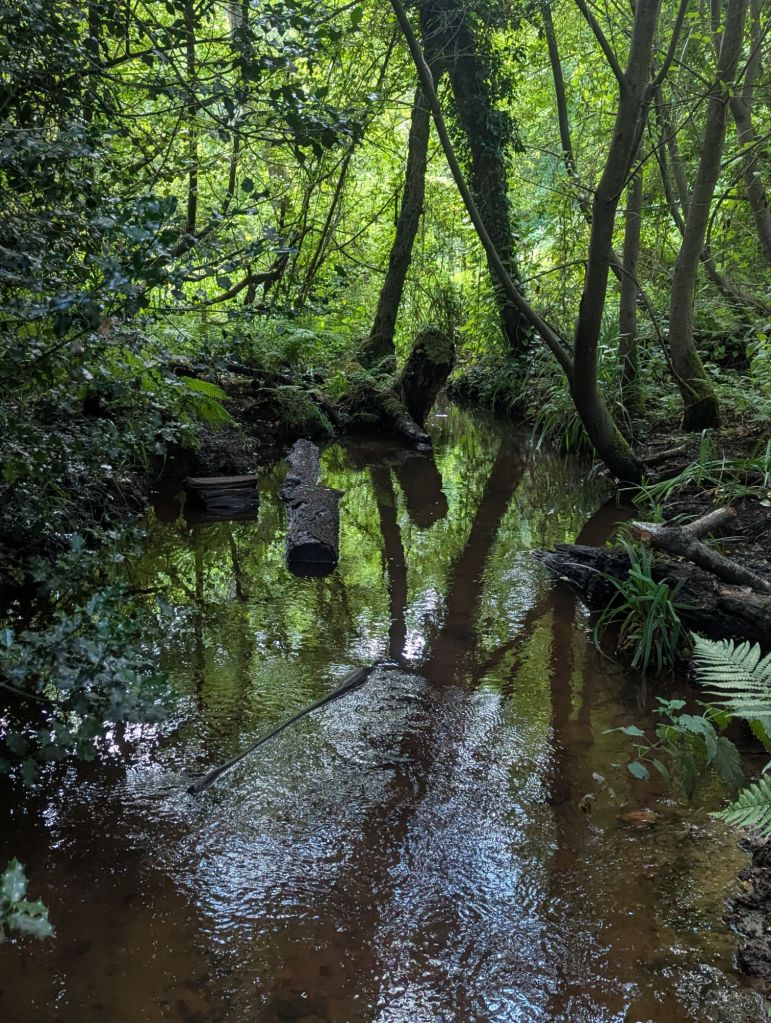
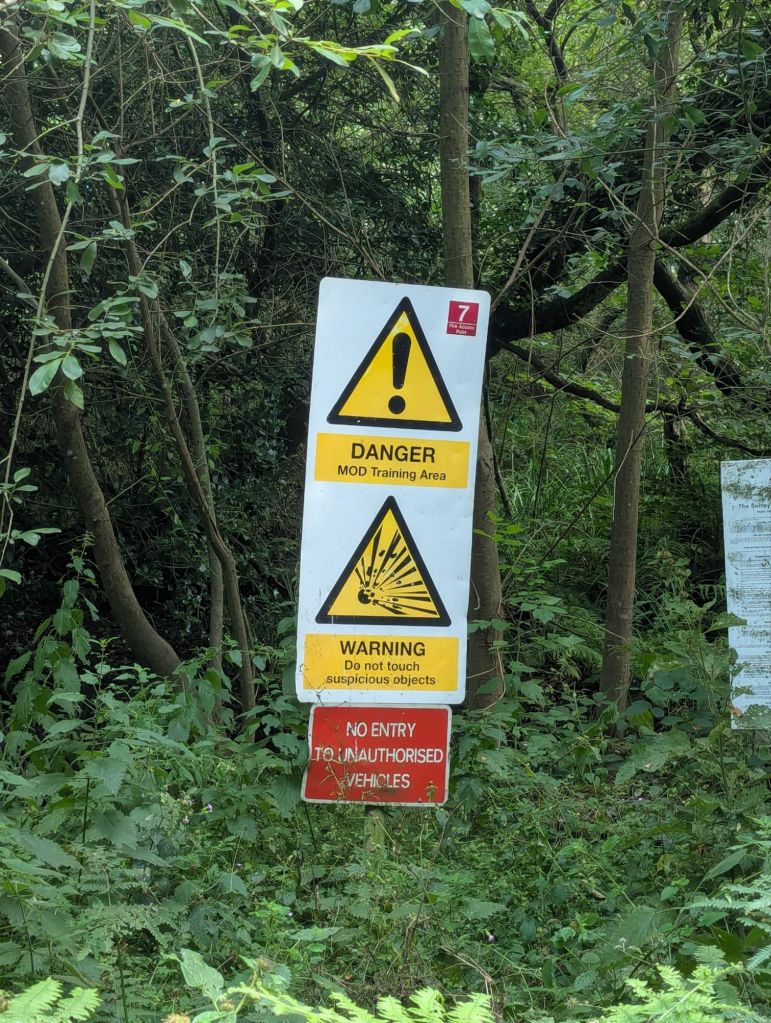
    This area was rich with life: downy birch, silver birch, Scots pine, gorse, oak, and majestic willows trailing along a river far below the sandy paths. I followed some steep, winding trails down to the river’s edge, where rope swings hung from branches, signs of children playing over the years. These joyful spots, though, were marred by patches of litter. A quiet reminder of the responsibility we all share in caring for these spaces.

    Climbing back to the main path, I spotted a buzzard soaring over the field across the river. Curious to know what else was around, I opened the Merlin app. It identified a chiffchaff, stonechat, wren, and the ever-present wood pigeon. I’m often surprised by how much more alive the woods feel when I slow down enough to listen.

    Nearing the edge of the square, I noticed what looked like a campsite, something that hadn’t shown up on any maps. As I got closer, it revealed itself to be a scout camp, complete with a fire engine parked on the track and children excitedly exploring it.

    Heading back, I planned to cross an open heath but soon encountered tents, generators, and vehicles. As I approached, a man on security duty explained that I’d stumbled onto a film set. The low tents suggested a fantasy-style camp scene, and while it blocked my intended route, it added an unexpected magic to the day.

    The detour briefly took me into neighbouring woodland before I rejoined the original square. Near the path’s edge, three porta-loos lay oddly overturned a surreal sight among the trees. From there, I looped back toward the car park.

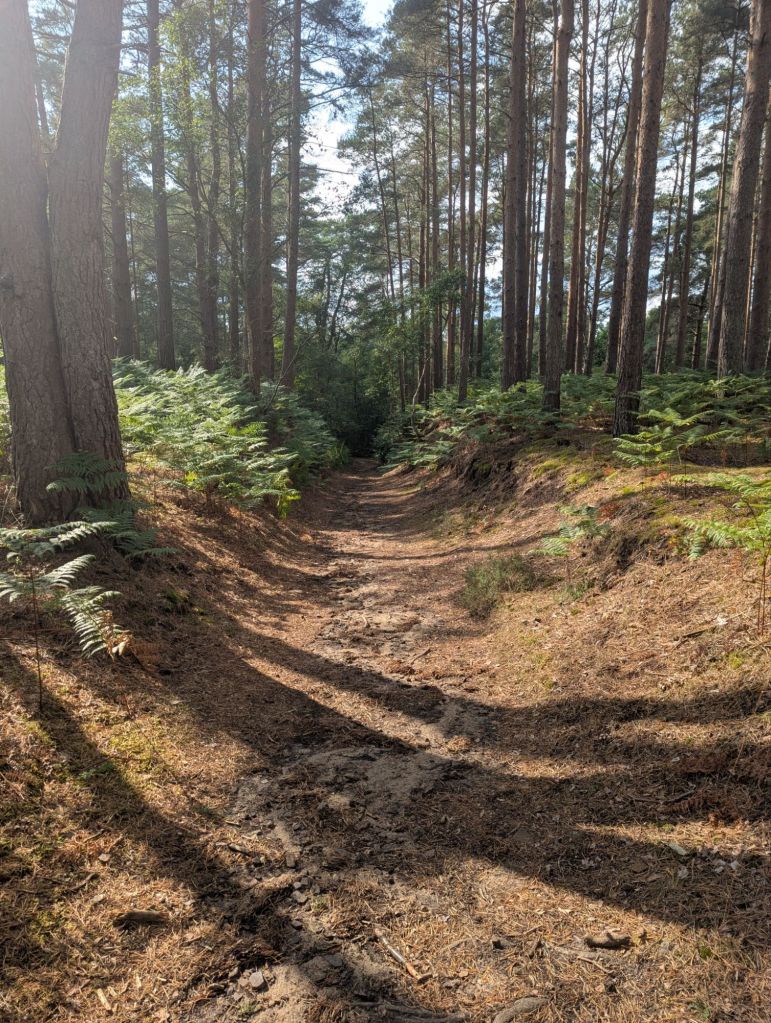
    As I walked, I was reminded how fragmented and layered our landscapes are stitched together by private, military and community-owned spaces, each shaping how nature is allowed to thrive or falter. While some areas were fenced off or degraded, others like the MOD land offered unexpected biodiversity havens. It’s a quiet paradox: land set aside for one reason can end up protecting what is wild.

    But without a joined-up approach, these pockets risk becoming isolated fragments floating in a patchwork with no real continuity. Who owns the land, and how they choose to steward it, matters deeply. It’s not just about access, but about long-term care, connection, and intention.


    If this sparks your interest, The Lie of the Land by Guy Shrubsole is a powerful and accessible read exploring who owns the land in England and what that means for nature, access, and equity.

    Walks like this remind me that mindful exploration isn’t just about seeing more it’s about noticing what shapes the land we move through. Listening not only for birdsong but for the stories beneath our feet.

    Have you ever stumbled across something unexpected while walking? Or noticed how land ownership changes what grows, thrives or disappears?

  • Walking the North Downs Way: A Journey Through Time, Friendship, and Renewal

    Walking the North Downs Way: A Journey Through Time, Friendship, and Renewal

    A First Taste of Freedom

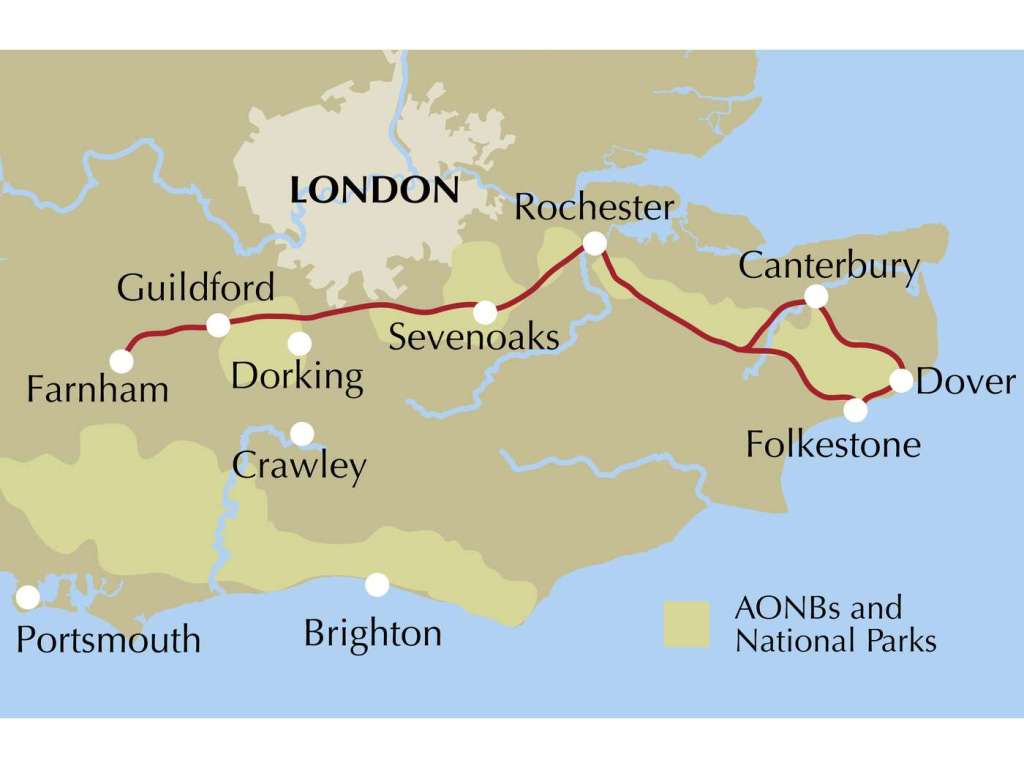
    I started walking the North Downs Way when I was still in school with a friend. It felt like a real adventure getting to Farnham by train and starting a two-night walk to Box Hill. We weren’t very prepared, using a ramshackle collection of old camping gear and an old tarp as our shelter. But we had an amazing couple of days, getting lost, trying to cook food, and putting up the shelter. It was real freedom for a young school kid, even with feet full of blisters from ill-fitted boots.

    Returning with New Eyes

    Years later, I returned to the trail with another kindred spirit. We decided to restart the journey so they could begin it as I had. This time, we were more prepared. With several walking and mountaineering trips between us, we had lighter gear, better boots, and a clearer sense of direction. We covered the route more quickly between Farnham, through Guildford, and onto Box Hill. The section was rich with forest paths, stunning views, and historic pillboxes scattered along the route. We still used a tarp shelter, setting up camp after dark and disappearing again early in the morning.

    Over several years, we completed more two-day sections in this way. Quick, joyful bursts that focused on mileage, camaraderie, and shared laughs, often ending with a local pub. One memorable night involved stumbling into a beer festival and a late-night campsite scramble.

    Walking as Medicine

    After a period of life challenges, I felt the pull to return again, but this time alone. What began as a trail walked in youth and adventure had become something deeper: a space for healing, reflection, and reconnection.

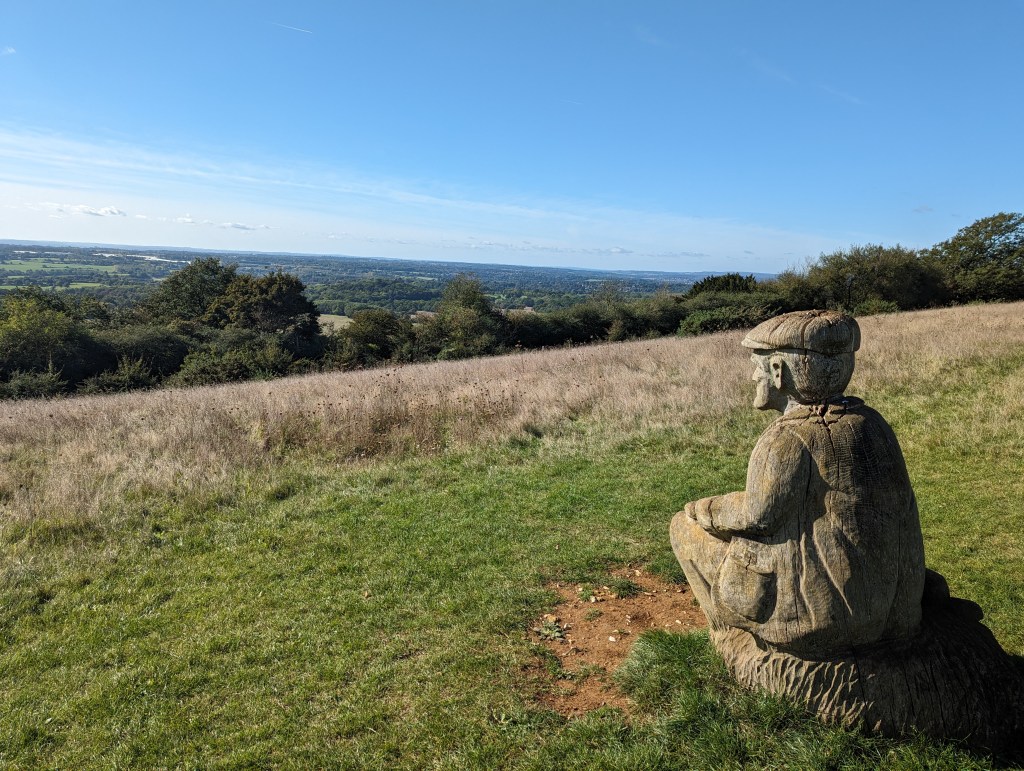
    With the trail’s good travel connections, I began walking day sections. I planned shorter routes with time to stop and soak in the experience. There were moments of slow, meditative walking, just listening and sensing, and often a feeling of merging with the surroundings. These solitary walks gave me new perspective and a sense of peace I hadn’t realised I needed.

    Eventually, I reached Canterbury. Though the trail continues, this point felt like a natural and symbolic place to pause: a full-circle moment that brought me back to a centre point in myself.

    Following in Ancient Footsteps

    Much of the North Downs Way aligns with the historic Pilgrims’ Way, an ancient route said to have stretched from Winchester to Canterbury which are two significant cathedral cities. While the term ‘Pilgrims’ Way’ was popularised during the Victorian era, many believe it traces a route walked for centuries by those journeying to the shrine of Thomas Becket at Canterbury Cathedral.

    This connection adds another layer of reflection to the trail. Walking this path isn’t just a scenic experience, it’s also a way of treading ground steeped in story and significance. For modern pilgrims, spiritual seekers, or those simply curious about deeper journeys, this link can transform a long-distance path into a soulful rite of passage.

    Other pilgrims’ routes like the Via Francigena, which stretches from Canterbury all the way to Rome, also share this sacred starting point, reminding us that Canterbury is not an end, but often a beginning.

    On the Evolving Nature of a Journey

    One thing that’s stood out across the years is how age and maturity reshape the journey. In my youth, walks were energetic and driven by challenges. More about how far, how fast, how wild. As I grew older, the same path invited a gentler approach. Walking became more about connection than conquest; more about the journey than the destination.

    A Note on Wild Camping

    While wild camping is technically not allowed on the North Downs Way, we made every effort to follow leave-no-trace principles. Arriving late, departing early, and never leaving a mark. Although I can’t advocate it for legal reasons, I do acknowledge its role in our experience.

    Interested in Walking the North Downs Way?

    If anyone is interested or has questions, feel free to get in touch. In the coming months, I plan to offer introductory walking sessions from Farnham to Guildford for those looking to begin their own journey but need a little extra confidence to get started.

    Further Resources

  • Cycling Slow in Belgium: Family Adventures on Two Wheels

    Cycling Slow in Belgium: Family Adventures on Two Wheels

    Last summer, we discovered just how perfect Belgium is for slow travel. Not by train, or by car, but by bike. With flat landscapes, well-marked cycle routes, and a network of charming towns and pop-up bars, it turned out to be the ideal place for a family-friendly cycling holiday. The pace was gentle, the beer was local, and the chocolate and waffles were heavenly.

    Why Belgium Works for Cycling Travel

    We based ourselves in the Flanders region, which is known for its flat terrain and gentle routes. It’s ideal for new or returning cyclists and especially well-suited to family travel. It was also connected to the Kempen Route which stretches between Antwerp and Maasmechelen, offering plenty of variety, winding through woods, across expansive stretches of heath, dunes and lakes as well as heritage mining areas.

    For those looking for a bit more adventure, Belgium also offers more challenging terrain, particularly in the Ardennes region, where hilly landscapes and forest trails await more experienced riders.

    Belgium’s infrastructure makes it incredibly accessible by bike. The terrain is mostly flat, meaning even the youngest riders or new cyclists can manage longer distances with ease. Designated cycling networks, like the well-known Fietsnetwerk are clearly signed and easy to follow, reducing stress and allowing you to focus on the joy of the journey.

    These routes link towns, parks, forests, and cultural landmarks, with plenty of rest spots, bike-friendly cafés, and surprise pop-up bars in the summer months. It’s the kind of place where the cycling experience feels effortless and welcoming.

    A Family-Friendly Freedom

    We travelled every day by bike, often with no firm plan, just heading to nearby villages, cafés, or markets. Our children gained so much confidence through daily cycling, learning to navigate, ride further, and enjoying the independence it offered.

    For us as parents, it meant slowing down enough to really notice where we were, from golden wheat fields to steam-side paths and having time to stop, paddle in streams, or simply enjoy a shaded bench under a tree.

    Renting vs Bringing Your Own

    You could bring your own bikes over (especially easy via Eurostar or ferry), but we chose to rent locally and we’re glad we did. The rental bikes were far more comfortable than our own mountain bikes at home. They came with wide seats, upright posture, and baskets which were ideal for picnic supplies or market finds. For longer days or family rides, it made all the difference.

    Bike hire was affordable and widely available, with many shops offering family-friendly options, including kids’ bikes, trailers, and e-bikes.

    Slowing Down for a Local Beer

    Belgium is, of course, famous for its beer and many of the towns we visited had open-air summer bars or taverns right on the route. These relaxed stops became part of our rhythm: a morning ride, a midday beer or lemonade, and an afternoon meander home.

    It was the perfect balance of movement and pause. Travel not just as a way of getting from A to B, but as a way of experiencing a place with all the senses.

    But a word of caution! Some of the brews are very strong.

    Reflections on Travel by Bike

    There’s something quietly powerful about arriving somewhere under your own steam. Travelling by bike invited us to engage with the landscape more deeply, moving at a pace that allowed for noticing. The way the light moved through the trees. The call of birds. The smell of warm summer fields.

    In many ways, this was one of our most memorable family trips, not for the sights we ticked off, but for the way it felt. Free, connected, and delightfully simple.

    Final Thoughts

    Belgium reminded us that adventure doesn’t need to be dramatic to be meaningful. Sometimes it looks like smooth cycle paths, a basket full of picnic snacks, and just enough sun to warm your back.

    Whether you bring your own bikes or rent locally, Belgium is ready-made for slow, mindful family travel on two wheels.

  • A Mindful Paddle: Canoeing the Wye Valley

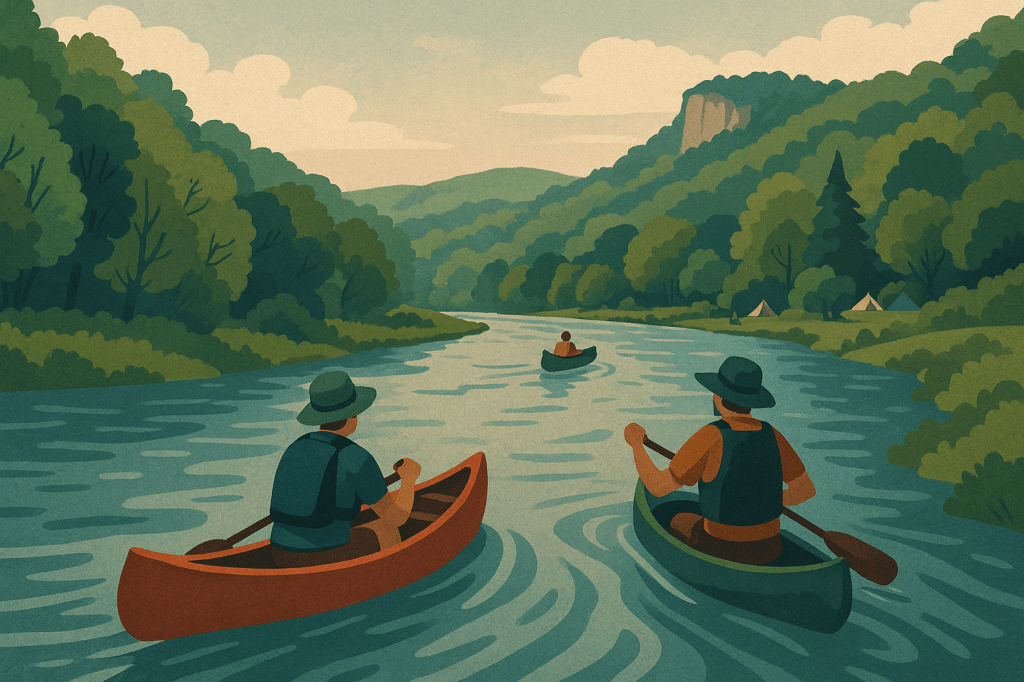
    Sometimes the most memorable adventures come not from rushing across landscapes, but from gliding gently through them. Our canoe trip with friends on the River Wye, from Hoarwithy to Symonds Yat, was one of those slow adventures that imprinted itself with quiet strength.

    🛶 Paddling the Route – Hoarwithy to Ross-on-Wye

    We launched our Canadian canoe at Hoarwithy, a sleepy hamlet where the River Wye curves through quiet countryside. Our plan: a two-day paddle to Symonds Yat, with a night under canvas near Ross-on-Wye.

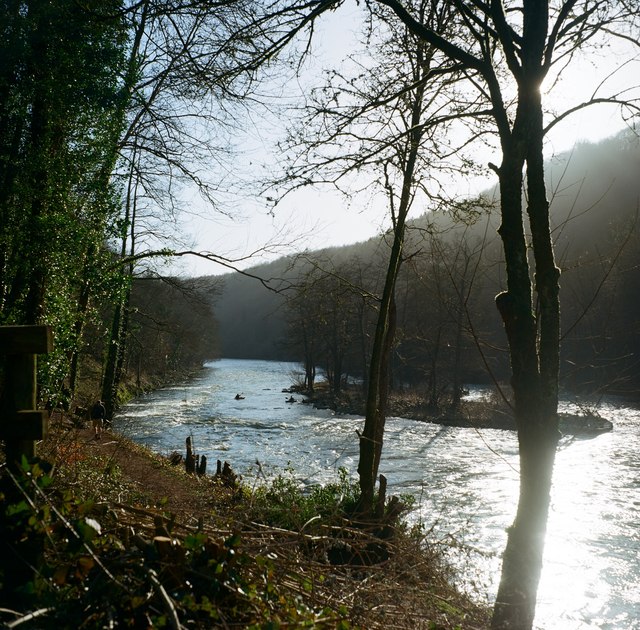
    The water here is calm and welcoming, ideal for easing into the rhythm of paddling. Fish were leaping on the surface of the calm surface, herons rising silently from the margins, and the riverbank felt alive with subtle movement. We passed under charming bridges and occasionally historic landmarks tucked among the trees.

    Drifting at midday for a simple riverside picnic, we soaked in the birdsong and reflections dancing on the water. The occasional drizzle only made it feel more alive. The paddle itself remained relaxed and scenic throughout.

    We arrived in Ross-on-Wye by late afternoon, where we set up at Ross Rowing Club & Campsite, a peaceful riverside spot perfect for unwinding. You could just as easily choose a cozy bed and breakfast or a room in town, but camping kept us close to the river.

    🛶 Day 2: Ross-on-Wye to Symonds Yat

    Day two began with low clouds and the soft scent of light rain and wet trees. We packed up and returned to the river, the current just strong enough to keep us moving steadily. This stretch was perhaps even more scenic, winding past sandstone cliffs and forested banks.

    As we approached Symonds Yat, the cliffs grew steeper and the valley narrower. With some apprehension we then successfully navigated the final rapids with a mix of fun and adrenaline that marked a thrilling close to the paddle. Shortly after we were met at the end point by our canoe hire team.

    Canoeists at Symonds Yat by John Winder is licensed under CC-BY-SA 2.0

    To finish, we hiked up to Symonds Yat Rock viewpoint, a breathtaking overlook where we could trace the route we’d just paddled. The view offered one last moment of reflection, a quiet triumph at the end of our river journey.

    Along the way, we’d glided through tranquil meanders, shaded woodland, and past silent herons taking flight. Of course, no adventure is without its hiccups as at one point we managed to flip a canoe while close to the bank, leaving one of us thoroughly soaked and the rest of us laughing. But those moments only deepened the memory.

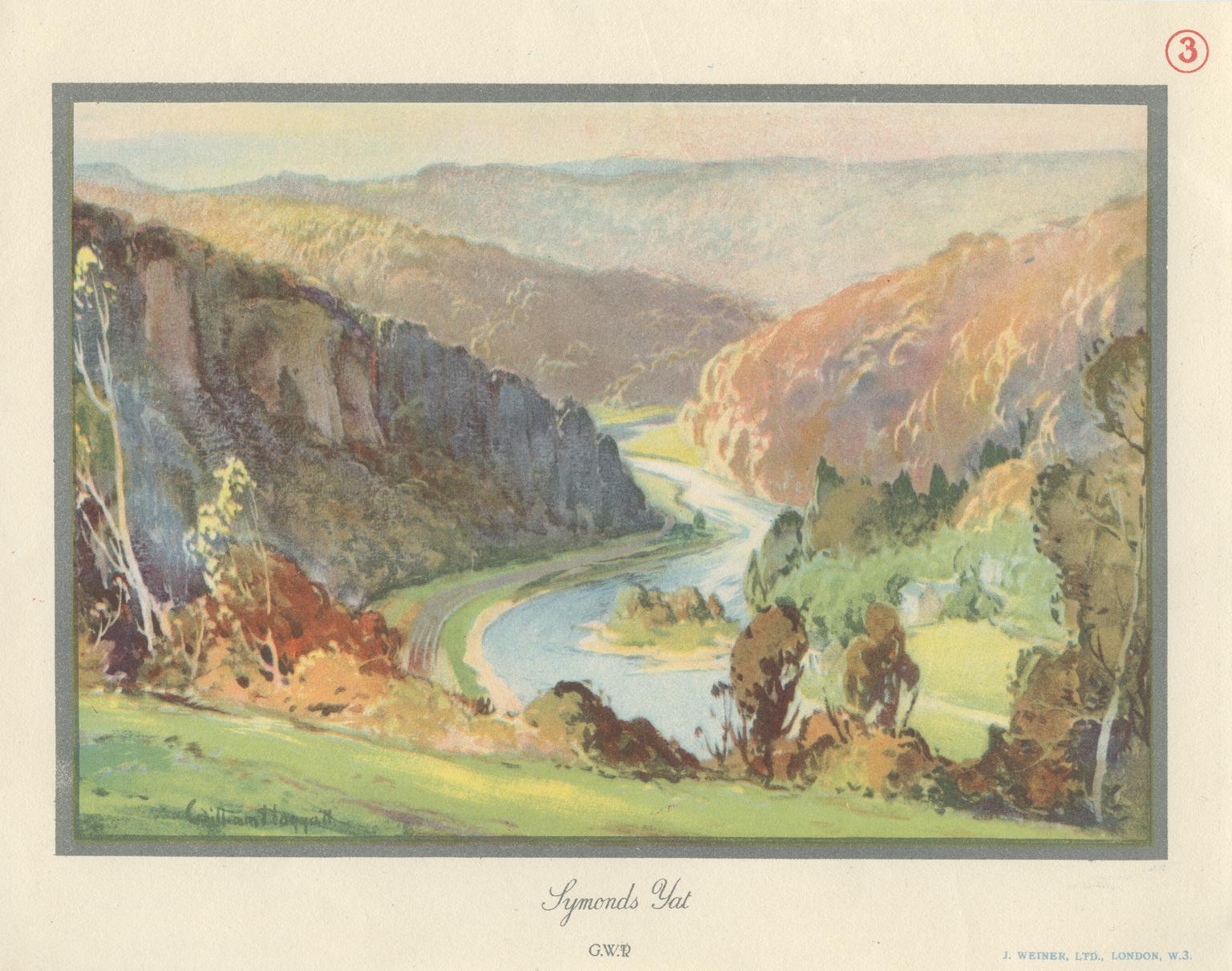
    Symonds Yat by Floggat, William is licensed under CC-BY-NC-SA 4.0

    🧭 Self-Guided but Not Alone

    We chose to paddle independently as we already had some experience, but experience is not necessary as the Wye is a well-supported river for both experienced and new paddlers. Several local companies offer guided options, gear hire, and route suggestions for those who prefer a little backup. Click here for more information.

    🌱 Reflections

    What made this trip so satisfying wasn’t just the movement, it was the stillness it made room for. Moments between paddling, watching mist rise from the water, or stopping for riverside snacks reminded us why we love slow travel. This trip would be ideal for couples, friends, or even adventurous families looking for a gentle, nature rich escape.

    ”Sometimes the most memorable adventures come not from rushing across landscapes, but from gliding gently through them.”

    Whether you’re chasing a short break or planning a longer paddle, the Wye offers space to breathe and scenes that linger long after the river bends out of view.

  • Floating Above the Trees: A Multi-Generational Journey Across the Pontcysyllte Aqueduct

    Before children, before the website, before slow travel had a name in our lives, we took a trip that quietly shaped how we see travel today.

    We didn’t know it at the time, but this slow, scenic journey across the Pontcysyllte Aqueduct would stay with us for years. It captured something we now try to hold at the heart of every trip: the idea that presence matters more than pace.

    The journey

    Our trip took around a week, giving us plenty of time to settle into the rhythm of canal life and let each moment unfold without pressure.

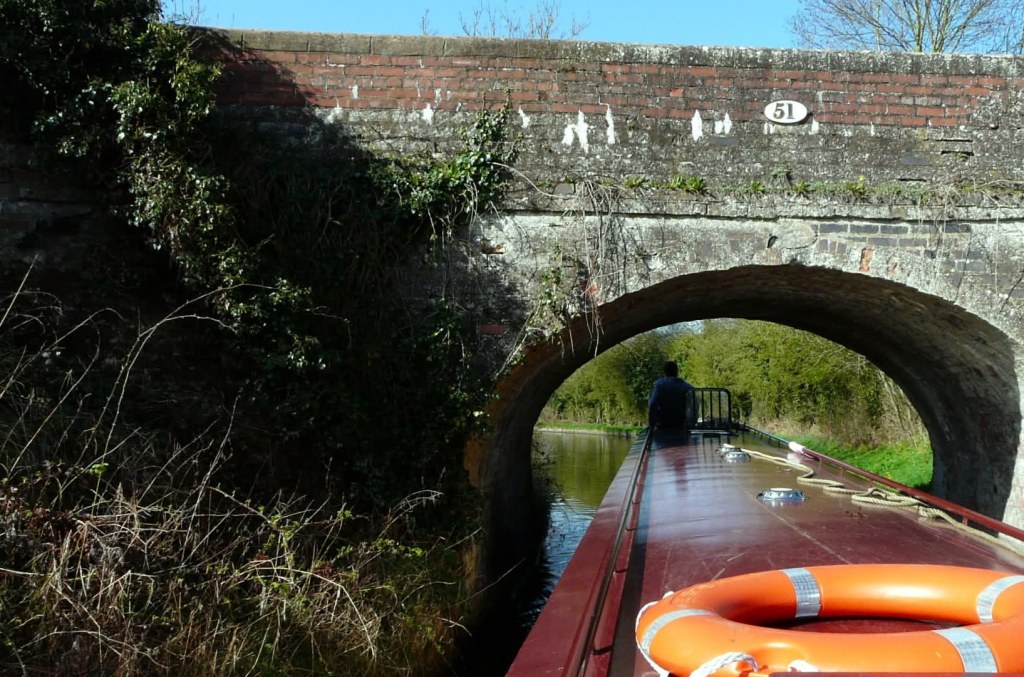
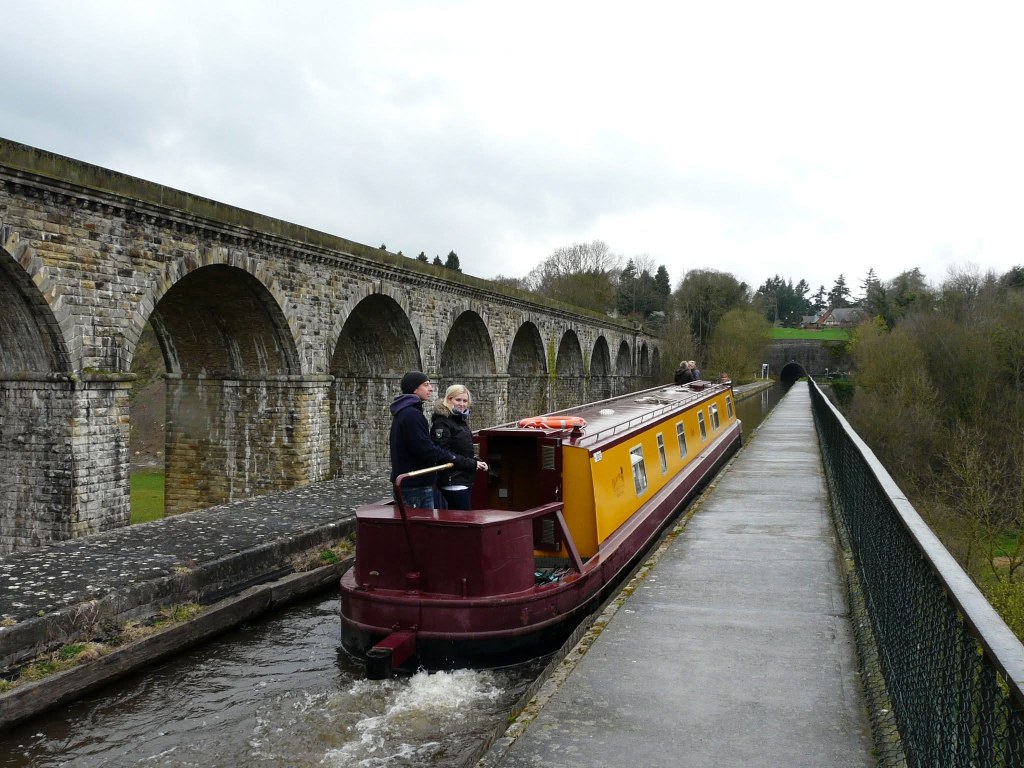
    We hired a narrowboat and set off from Nantwich, a charming market town in Cheshire. From there, we joined the Llangollen Canal, heading toward one of the most spectacular sections of waterway in the UK. The Pontcysyllte Aqueduct, a 19th-century engineering marvel and UNESCO World Heritage Site. Supported by stone pillars that rise out of the valley floor like a Roman viaduct it carries canal boats 38 meters above the River Dee.

    It was a multi-generational trip—grandparents, siblings, and a shared sense of curiosity. Even without children in tow, it was the kind of journey that made us think, “This would be perfect for all ages.”

    Slow Travel in Its Truest Form

    We moved slowly. At around 4mph, everything unfolds differently. There’s time to spot herons and listen to the ripple of the water. The boat becomes a moving home, a shared space to cook, chat, read, or sit in silence.

    We took turns steering and working the canal locks, one of those beautiful bits of travel that creates natural teamwork. There were village stops, riverside pubs, and spontaneous chats with walkers and other boaters.

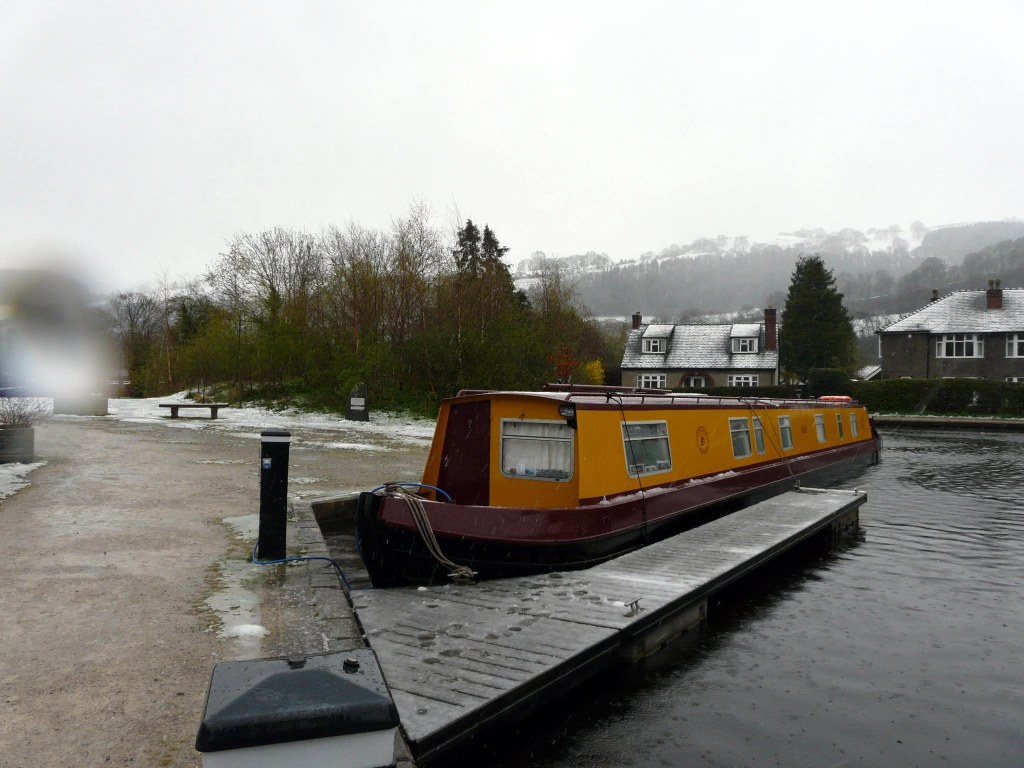
    We also navigated wild weather shifts. What started as warm spring sunshine gave way to sudden wind and snow as we crossed into Wales. Cosy inside the boat, we watched the weather pass through like theatre.

    And yes—at one point, my dad fell in. He was fine (albeit cold), and we still laugh about it.

    The Aqueduct Itself

    Crossing Pontcysyllte is like floating across the treetops. There’s no handrail on one side, just open air and the narrow boat pressed up against the sky. It’s not fast or dramatic. But it’s unforgettable.

    There’s something symbolic about it: a slow, steady crossing over something vast. A moment of perspective. A suspended breath.

    Why It Still Inspires Us

    Looking back, this trip was a turning point. Not because it was exotic or complicated but because it showed us what travel could be when we removed the rush.

    It was:

    • A chance to be together across generations
    • A reminder that weather can be part of the story
    • A way to connect with nature at walking pace (only on water)
    • A nudge toward reflection, not entertainment

    This trip wasn’t about sightseeing. It was about being there.

    Practical Tips for Your Own Canal Trip

    f you’re considering something similar:

    • We started our journey at Nantwich, a charming market town with good hire options and a gentle start to the canal.
    • Follow the Llangollen Canal to take in tunnels, lift bridges, open countryside, and of course the breathtaking Pontcysyllte Aqueduct. More on the route here.
    • Canal boat hire companies offer a wide range of options depending on the time you have available.
    • No prior experience is needed—you’ll be shown how to steer and work the locks.
    • Plan loosely. Leave space for weather, wandering, and pauses.
    • Go slow intentionally—that’s the magic.

    Find more at: https://www.pontcysyllte-aqueduct.co.uk/business-community/boat-trips-boat-hire/

    Final Thought

    Sometimes the most powerful travel stories don’t begin with flights, bucket lists, or epic plans. Sometimes they begin with a boat moving quietly through a valley, a change in the weather, and a family leaning into the moment.

    We didn’t know it then, but that trip was the beginning of our slowest, most meaningful trail yet.

    And yes our dad still gets teased about the canal.