We spend a reasonable amount of time thinking about what we eat and where it comes from. We don’t always get it right, and the weekly shop is where good intentions meet real constraints. This page is a collection of things we’ve found useful including, apps, sources, and a few things worth knowing about what’s actually on the label. It isn’t a guide to perfect eating. It’s more a starting point for anyone wondering where to begin.
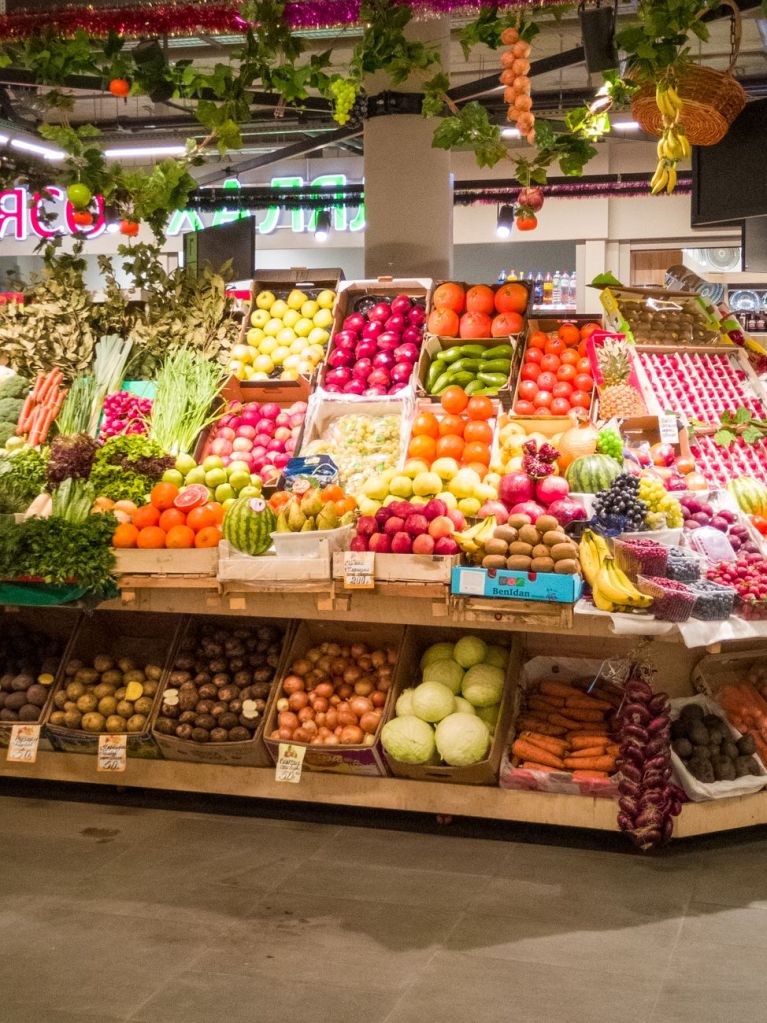
Reading the Label — The Basics
The single most useful thing we’ve learned about food labelling is also the simplest. Ingredients are listed in order of weight. Whatever appears first is most of what you’re eating. Whatever appears last is barely there at all.
A useful test before buying anything processed: count the ingredients. A home made tomato sauce needs five or six. If a jar needs twenty-five, it’s worth asking what the rest are doing there. Many will be stabilisers, emulsifiers, flavour enhancers, or bulking agents and often there to compensate for lower quality base ingredients or extend shelf life.
One major thing to watch out for, though, is clever marketing. You want to make sure you aren’t paying a premium price for products that secretly contain cheap ingredients.
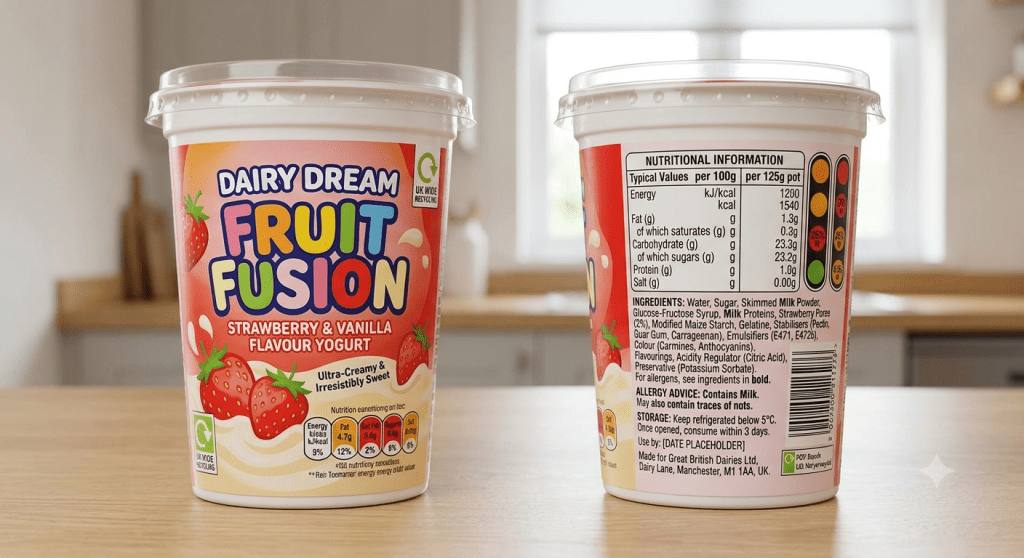
If you want to go deeper on how UK food labelling law actually works, including how percentage declarations are handled the Food Standards Agency has clear guidance worth reading.
Apps and scanning tools
We use two apps to check products, with different caveats for each. Yuka is free and fast, but its database is primarily French. Some UK own-label products don’t appear, and its scoring heavily weights additives over sourcing ethics or carbon footprint. Sometimes a green score doesn’t necessarily mean an ethically sound product. Ivy is more thorough on processing levels and additive research, but it requires a subscription (at £30/year). The three-day free trial is useful for bulk-checking a shop trolley if you time it right. Neither app is perfect, but both are better than guessing. We haven’t yet used The Food App so one to explore. Add a comment if you have any experiences to offer.

Sourcing differently
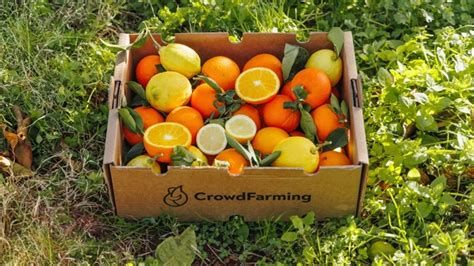
Supermarkets aren’t the only option, though they’re often the most convenient. Crowd Farming connects you directly with growers; we’ve bought oranges, lemons, avocados, and olive oil through them. The quality is genuinely good, but the minimum order size can be a barrier for smaller households.
Local community farms are highly recommended from first hand experience. The connection to the source is hard to beat but they weren’t always practical for our family’s schedule. They also often accept volunteers if you really want to get stuck in.

We have used a wide range of door step milk delivery services but have now settled on Milk Club who offer a direct from farm model that cuts out the middlemen and offers a wide range of refill and organic options.

For our main shop Ocado remains a pragmatic compromise for items we can’t source locally, despite the packaging overhead.
What to look for in specific products
Olive oil: Check for a harvest date, not just a best-before date. Best-before dates are set from bottling, meaning oil can be nearly three years old and still valid. Extra Virgin Olive Oil (EVOO) has no legal definition of freshness in the UK, so harvest date is your best proxy. Up to 50% of EVOO globally may not meet chemical standards, so PDO designation and reputable sourcing matter.

Spreadable butter: Often adulterated with water, emulsifiers, and vegetable oils to lower costs. If the ingredient list isn’t just cream and salt, it’s not pure butter.

Ice cream: By law, ice cream must have at least 55% milk ingredients, but ‘ice cream mix’ can contain significantly more air (overrun). Higher overrun means lighter texture and lower cost.

Tinned tomatoes: The legal minimum for drained solid weight is 60%. That means up to 40% of the tin can be liquid. It’s not fraud, but it affects how much actual tomato you’re buying per pound.

Cost and compromise
The gap between ideals and practicality is real. We don’t always buy organic, local, or fair-trade. Sometimes the price difference is too significant, or the local option isn’t available. Other times, convenience wins. Naming this tension feels more honest than pretending it doesn’t exist. What has stuck for us is focusing on the high-impact items where pesticide residue matters most, or where labour practices are poorest and being flexible elsewhere.
 Mindful Trails