Category: Family Adventure

  • Cycling Slow in Belgium: Family Adventures on Two Wheels

    Cycling Slow in Belgium: Family Adventures on Two Wheels

    Last summer, we discovered just how perfect Belgium is for slow travel. Not by train, or by car, but by bike. With flat landscapes, well-marked cycle routes, and a network of charming towns and pop-up bars, it turned out to be the ideal place for a family-friendly cycling holiday. The pace was gentle, the beer was local, and the chocolate and waffles were heavenly.

    Why Belgium Works for Cycling Travel

    We based ourselves in the Flanders region, which is known for its flat terrain and gentle routes. It’s ideal for new or returning cyclists and especially well-suited to family travel. It was also connected to the Kempen Route which stretches between Antwerp and Maasmechelen, offering plenty of variety, winding through woods, across expansive stretches of heath, dunes and lakes as well as heritage mining areas.

    For those looking for a bit more adventure, Belgium also offers more challenging terrain, particularly in the Ardennes region, where hilly landscapes and forest trails await more experienced riders.

    Belgium’s infrastructure makes it incredibly accessible by bike. The terrain is mostly flat, meaning even the youngest riders or new cyclists can manage longer distances with ease. Designated cycling networks, like the well-known Fietsnetwerk are clearly signed and easy to follow, reducing stress and allowing you to focus on the joy of the journey.

    These routes link towns, parks, forests, and cultural landmarks, with plenty of rest spots, bike-friendly cafés, and surprise pop-up bars in the summer months. It’s the kind of place where the cycling experience feels effortless and welcoming.

    A Family-Friendly Freedom

    We travelled every day by bike, often with no firm plan, just heading to nearby villages, cafés, or markets. Our children gained so much confidence through daily cycling, learning to navigate, ride further, and enjoying the independence it offered.

    For us as parents, it meant slowing down enough to really notice where we were, from golden wheat fields to steam-side paths and having time to stop, paddle in streams, or simply enjoy a shaded bench under a tree.

    Renting vs Bringing Your Own

    You could bring your own bikes over (especially easy via Eurostar or ferry), but we chose to rent locally and we’re glad we did. The rental bikes were far more comfortable than our own mountain bikes at home. They came with wide seats, upright posture, and baskets which were ideal for picnic supplies or market finds. For longer days or family rides, it made all the difference.

    Bike hire was affordable and widely available, with many shops offering family-friendly options, including kids’ bikes, trailers, and e-bikes.

    Slowing Down for a Local Beer

    Belgium is, of course, famous for its beer and many of the towns we visited had open-air summer bars or taverns right on the route. These relaxed stops became part of our rhythm: a morning ride, a midday beer or lemonade, and an afternoon meander home.

    It was the perfect balance of movement and pause. Travel not just as a way of getting from A to B, but as a way of experiencing a place with all the senses.

    But a word of caution! Some of the brews are very strong.

    Reflections on Travel by Bike

    There’s something quietly powerful about arriving somewhere under your own steam. Travelling by bike invited us to engage with the landscape more deeply, moving at a pace that allowed for noticing. The way the light moved through the trees. The call of birds. The smell of warm summer fields.

    In many ways, this was one of our most memorable family trips, not for the sights we ticked off, but for the way it felt. Free, connected, and delightfully simple.

    Final Thoughts

    Belgium reminded us that adventure doesn’t need to be dramatic to be meaningful. Sometimes it looks like smooth cycle paths, a basket full of picnic snacks, and just enough sun to warm your back.

    Whether you bring your own bikes or rent locally, Belgium is ready-made for slow, mindful family travel on two wheels.

  • Wild Water Play in Surrey & Hampshire: Streams, Rivers, and Hidden Paddling Spots

    There’s something timeless about playing in water, whether you’re a child splashing through a shallow stream or a parent trailing your fingers in the current. It’s free, fun, and grounding. In the spirit of slow family adventures, here’s a curated selection of streams and rivers around Surrey and Hampshire that are perfect for a paddle, a picnic, or a peaceful moment by the water.

    Frensham Great Pond, Surrey
    A popular Green Flag Award winning site with sandy shores and calm waters. Great for younger children. Early mornings are quieter. There are clearly defined designated bathing areas.

    Waggoners Wells, Hampshire
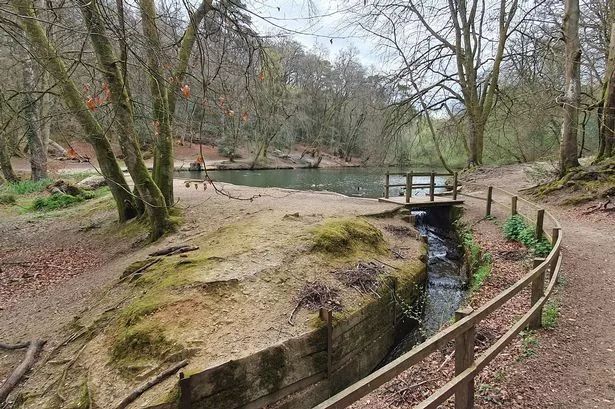
    Woodland paths, interconnected ponds, small streams, and a wishing well make this spot feel like a fairy-tale forest. Ideal for small-scale adventures.

    Gostrey Meadow, Farnham, Surrey
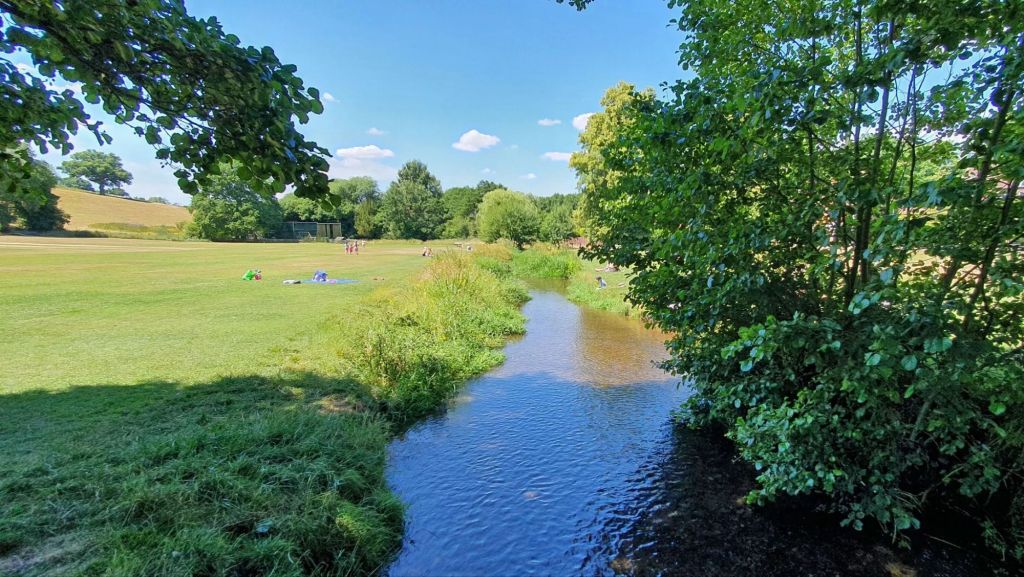
    Right in the centre of Farnham, this park features a shallow stream running through a landscaped meadow. Perfect for quick visits, with a playground nearby and lots of space to picnic.

    Abinger Hammer, near Dorking, Surrey
    A classic Surrey spot with a shallow stream, grassy picnic areas, and a gentle current ideal for barefoot paddling. Watch out for ducks and a great little ice cream shop!

    Bonus: A Little Further Afield – Wowo Campsite, East Sussex
    If you’re up for a short trip beyond Surrey and Hampshire, Wowo Campsite in East Sussex is well worth a night away. This family-friendly site features a shallow stream running right through it, offering hours of water play, mini bridges, and muddy fun. Combine with campfires and woodland walks for a full slow adventure.

    🧺 Tips for Mindful Water Play

    • Go early or midweek for a quieter experience
    • Bring a towel, a change of clothes, and water shoes
    • Pack a picnic and stay a little longer than you think you’ll need
    • Let children lead the way, they’ll find magic in the smallest ripple

    These spots can become mini adventures with minimal planning. Wherever you go, take your time, tread lightly and leave no trace.

    📍 Know a stream we should add to the list? Add it to the comments below.

    Happy splashing!

  • A Mini Mindful Adventure at Winkworth Arboretum

    We set off on a warm, golden day with no real expectations, just a simple family walk, a designated route to follow, and a shared aim to spot butterflies as we wandered. The air carried the scent of trees baked in the recent heat, and the path led us through tall foxgloves, ferns reaching skyward, and butterflies dancing ahead of us.

    As we descended toward the lower paths, the trail followed a gentle stream that weaved through patches of wetland. Eventually, we came to a small opening where the light poured in and the water glimmered through the trees.

    Our children quickly claimed it as their own, “the magical lagoon” they called it. They paddled in the stream, climbed over mossy logs, and let the stilled air wrap around them like a cocoon. Meanwhile, we found ourselves caught in a familiar parenting rhythm: the pull to move on, to stick to the route, to complete what we’d started.

    But then we caught ourselves.

    We paused, dropped the need to continue, and joined them. The reward was a rare kind of stillness. We watched beautiful blue damselflies hover, then land gently on our hands. The water, the soft sounds of the woods, and the joy of letting go. This became the heart of the walk.

    From then on, our pace slowed. We stopped more. Looked more. Let the children lead. The walk became something else entirely. Not a checklist to complete, but a presence to sink into.

    We left Winkworth later than planned and completely unbothered by the fact.

    🧭 Notes for Fellow Explorers:

    • Winkworth Arboretum is a National Trust property, but we used a free family pass. These are occasionally available through offers and promotions, so keep an eye out. We’ll share any we see. You could of course decide to join as a member. Click here for more information.
    • Winkworth Arboretum is well known for its gorgeous yellow, orange and red foliage in autumn and stunning bluebell carpets in the spring.
    • The walk can be adapted for all ages, and there are multiple route options depending on your energy levels.
    • Bring a change of clothes if your little ones like water, they’ll likely want to stay in the “lagoon” for a while.

    ✨ Reflections

    Any simple walk like this can become a mini mindful adventure : a way to reconnect with nature, presence, and each other. Sometimes all it takes is letting go of the route and sinking into the moment.

  • Floating Above the Trees: A Multi-Generational Journey Across the Pontcysyllte Aqueduct

    Before children, before the website, before slow travel had a name in our lives, we took a trip that quietly shaped how we see travel today.

    We didn’t know it at the time, but this slow, scenic journey across the Pontcysyllte Aqueduct would stay with us for years. It captured something we now try to hold at the heart of every trip: the idea that presence matters more than pace.

    The journey

    Our trip took around a week, giving us plenty of time to settle into the rhythm of canal life and let each moment unfold without pressure.

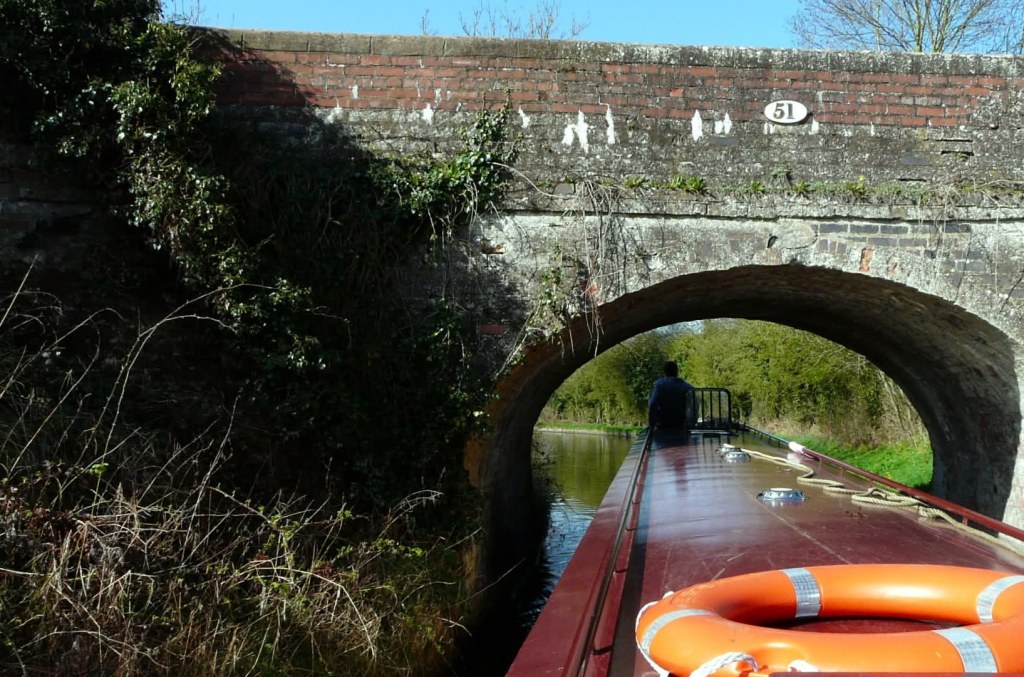
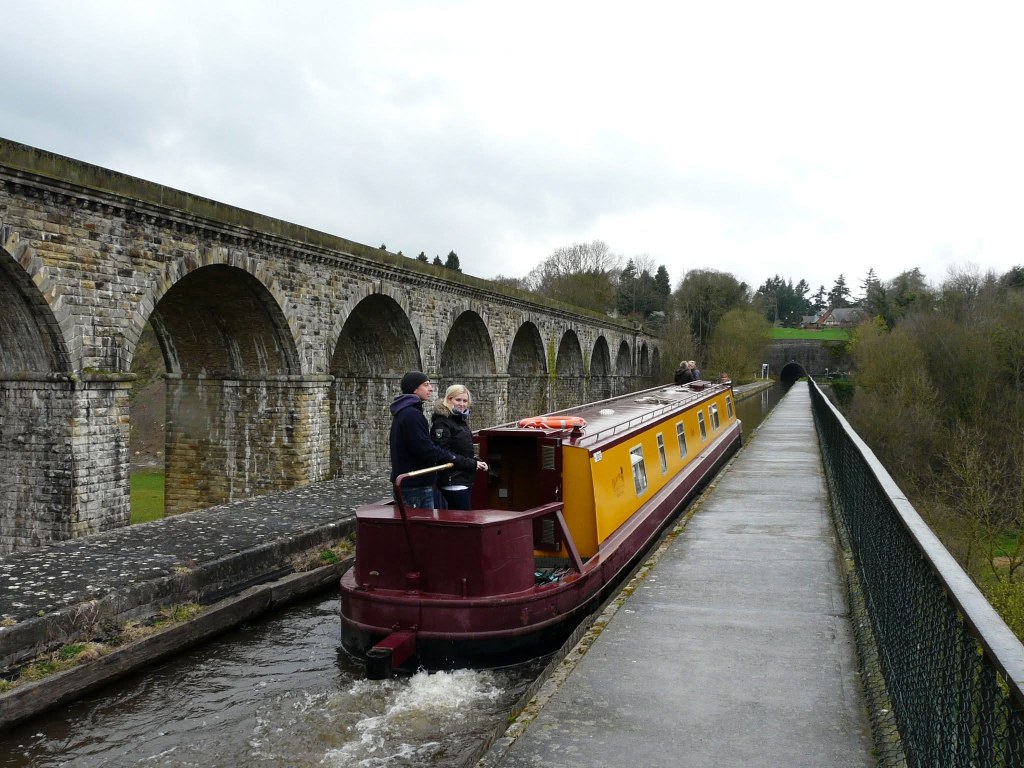
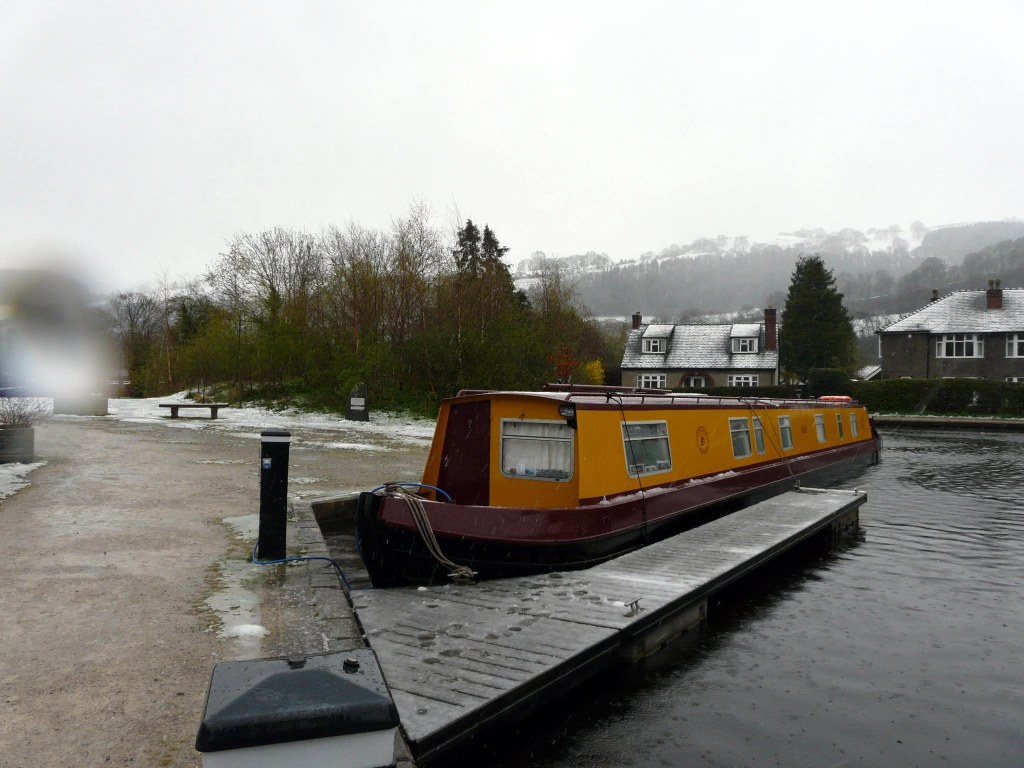
    We hired a narrowboat and set off from Nantwich, a charming market town in Cheshire. From there, we joined the Llangollen Canal, heading toward one of the most spectacular sections of waterway in the UK. The Pontcysyllte Aqueduct, a 19th-century engineering marvel and UNESCO World Heritage Site. Supported by stone pillars that rise out of the valley floor like a Roman viaduct it carries canal boats 38 meters above the River Dee.

    It was a multi-generational trip—grandparents, siblings, and a shared sense of curiosity. Even without children in tow, it was the kind of journey that made us think, “This would be perfect for all ages.”

    Slow Travel in Its Truest Form

    We moved slowly. At around 4mph, everything unfolds differently. There’s time to spot herons and listen to the ripple of the water. The boat becomes a moving home, a shared space to cook, chat, read, or sit in silence.

    We took turns steering and working the canal locks, one of those beautiful bits of travel that creates natural teamwork. There were village stops, riverside pubs, and spontaneous chats with walkers and other boaters.

    We also navigated wild weather shifts. What started as warm spring sunshine gave way to sudden wind and snow as we crossed into Wales. Cosy inside the boat, we watched the weather pass through like theatre.

    And yes—at one point, my dad fell in. He was fine (albeit cold), and we still laugh about it.

    The Aqueduct Itself

    Crossing Pontcysyllte is like floating across the treetops. There’s no handrail on one side, just open air and the narrow boat pressed up against the sky. It’s not fast or dramatic. But it’s unforgettable.

    There’s something symbolic about it: a slow, steady crossing over something vast. A moment of perspective. A suspended breath.

    Why It Still Inspires Us

    Looking back, this trip was a turning point. Not because it was exotic or complicated but because it showed us what travel could be when we removed the rush.

    It was:

    • A chance to be together across generations
    • A reminder that weather can be part of the story
    • A way to connect with nature at walking pace (only on water)
    • A nudge toward reflection, not entertainment

    This trip wasn’t about sightseeing. It was about being there.

    Practical Tips for Your Own Canal Trip

    f you’re considering something similar:

    • We started our journey at Nantwich, a charming market town with good hire options and a gentle start to the canal.
    • Follow the Llangollen Canal to take in tunnels, lift bridges, open countryside, and of course the breathtaking Pontcysyllte Aqueduct. More on the route here.
    • Canal boat hire companies offer a wide range of options depending on the time you have available.
    • No prior experience is needed—you’ll be shown how to steer and work the locks.
    • Plan loosely. Leave space for weather, wandering, and pauses.
    • Go slow intentionally—that’s the magic.

    Find more at: https://www.pontcysyllte-aqueduct.co.uk/business-community/boat-trips-boat-hire/

    Final Thought

    Sometimes the most powerful travel stories don’t begin with flights, bucket lists, or epic plans. Sometimes they begin with a boat moving quietly through a valley, a change in the weather, and a family leaning into the moment.

    We didn’t know it then, but that trip was the beginning of our slowest, most meaningful trail yet.

    And yes our dad still gets teased about the canal.

  • Race to the Isle of Wight: A Phone-Free Family Adventure

    If you’ve ever watched Race Across the World and thought, “We should do something like that,” you’re not alone. We created our own DIY version—a family race to the Isle of Wight, with public transport, a small cash budget, and one big twist: our children were in charge.

    The challenge

    The rules were simple but exciting:

    • No phones (yes, really!)
    • Cash only—no cards, no apps
    • Public transport only—trains, buses, ferries
    • Two teams, one adult and one child each
    • Final destination: The Needles Chair Lift lower station

    The idea was to encourage confidence, planning, and decision-making in a fun and unpredictable way.

    Planning Under Pressure

    Before we even left home in Farnham, the kids were given just 20 minutes to plan a route with some basic information and a train map. They didn’t know when the trains left or how to get to the ferry ports. They had to ask for directions, talk to staff, and piece together the journey step by step.

    It was eye-opening to see how quickly they adapted. From the very first challenge—finding the train station without knowing the way—they leaned into asking questions, spotting signs, and thinking on their feet.

    Parallel Paths

    Both teams independently chose to head to Southampton, and we even ended up in the same hotel for the first night. That added a cheeky layer of tension as we tried to dodge one another in hotel corridors and breakfast buffets—fueling the playful spirit of the challenge.

    Accommodation wasn’t pre-booked for the first night, so the kids had to ask prices at the front desk and decide what was acceptable. One team even benefited from a lucky room upgrade after chatting to a kind staff member—just one of the many unscripted moments that made the experience so memorable.

    Letting the Kids Lead

    What surprised us most was how confidently the children stepped into their roles as navigators and leaders. They approached bus drivers, train guards, ferry staff, and fellow travellers with questions, soaking up real-world experience in problem-solving and communication. They took genuine pride in explaining the race to curious onlookers—often with a big smile.

    Extend or Condense It

    Although this version was based around the Isle of Wight, the concept could be easily replicated anywhere. If you’re in the southeast of England, Woking or London are excellent starting points with multiple onward routes.

    Some additional reflections:

    • Add an overnight stay to stretch out the fun and reduce stress.
    • Pre-book onward accommodation if you’re travelling during peak times—but keep the journey itself unplanned for spontaneity.
    • Short on time? You can complete the whole adventure in one day, depending on your starting point.

    How to Plan Your Own Family Race

    If you’re feeling inspired, here’s how to get started:

    1. Choose a Final Destination

    Pick a location that’s reachable by public transport and interesting enough to make the journey feel exciting. Coastal spots, national parks, or quirky towns work well. The Isle of Wight was perfect because it required a ferry crossing and had natural waypoints like the Needles to aim for.

    2. Set Simple Rules

    Our ground rules were:No phonesCash onlyPublic transport onlyAdults supervise but don’t lead You could tweak this to suit the age of your children or group size. For younger children, allow limited phone use for emergencies only or set check-in times.

    3. Split into Teams

    Two teams kept things fun and competitive. If you’re a larger family, consider more teams or even joining forces with another family for a bigger challenge.

    4. Add a Surprise or Twist

    We loved not telling the kids the train times. It added a real sense of discovery and required them to interact with the world, not just follow instructions. You could also add a mini-challenge along the way: find a landmark, try a local food, or get a photo with a stranger who’s visited your destination before.

    5. Build in Reflection Time

    Whether it’s a shared meal at the end or a few days staying on at the destination, make space to decompress, laugh, and reflect on the journey. These are the moments that will stay with everyone.

    Final Thought

    In a time when everything is mapped, reviewed, and streamlined, this adventure gave us something beautifully unfiltered and real. It reminded us that not knowing is part of the fun—and that sometimes, the most rewarding adventures are the ones we don’t over-plan.

    If you’re considering your own family race, I highly recommend giving it a try. You might start with a little nervousness, but you’ll end with a whole lot of pride, laughter, and stories to tell.

    And who knows? Your kids might just surprise you—in all the best ways.

    Sometimes the best way to connect… is to disconnect.

    🗂 Download our original planning PowerPoint

    Curious how we set it up? Click here to download our route planning PowerPoint and use it as a template for your own family race