Tag: europe

  • Floating Above the Trees: A Multi-Generational Journey Across the Pontcysyllte Aqueduct

    Before children, before the website, before slow travel had a name in our lives, we took a trip that quietly shaped how we see travel today.

    We didn’t know it at the time, but this slow, scenic journey across the Pontcysyllte Aqueduct would stay with us for years. It captured something we now try to hold at the heart of every trip: the idea that presence matters more than pace.

    The journey

    Our trip took around a week, giving us plenty of time to settle into the rhythm of canal life and let each moment unfold without pressure.

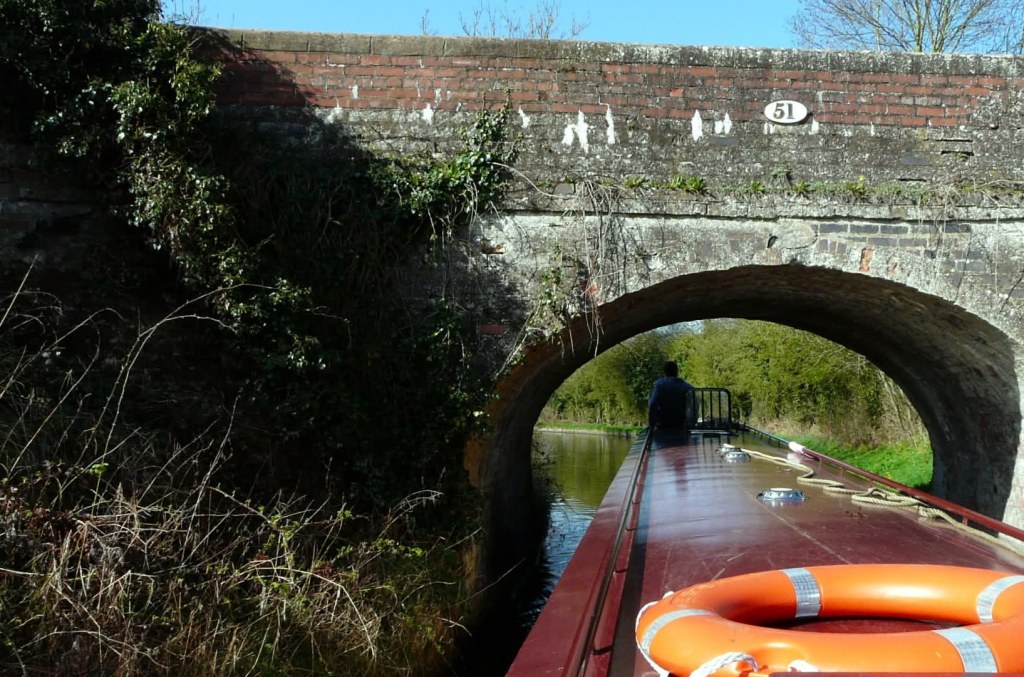
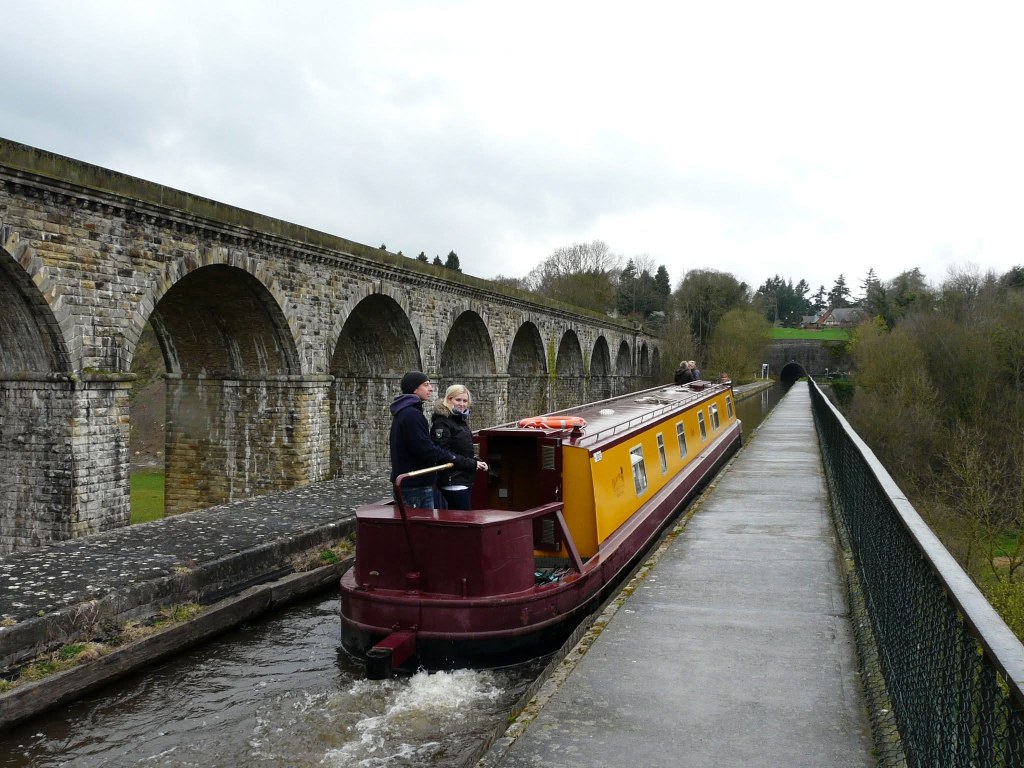
    We hired a narrowboat and set off from Nantwich, a charming market town in Cheshire. From there, we joined the Llangollen Canal, heading toward one of the most spectacular sections of waterway in the UK. The Pontcysyllte Aqueduct, a 19th-century engineering marvel and UNESCO World Heritage Site. Supported by stone pillars that rise out of the valley floor like a Roman viaduct it carries canal boats 38 meters above the River Dee.

    It was a multi-generational trip—grandparents, siblings, and a shared sense of curiosity. Even without children in tow, it was the kind of journey that made us think, “This would be perfect for all ages.”
    Slow Travel in Its Truest Form

    We moved slowly. At around 4mph, everything unfolds differently. There’s time to spot herons and listen to the ripple of the water. The boat becomes a moving home, a shared space to cook, chat, read, or sit in silence.

    We took turns steering and working the canal locks, one of those beautiful bits of travel that creates natural teamwork. There were village stops, riverside pubs, and spontaneous chats with walkers and other boaters.

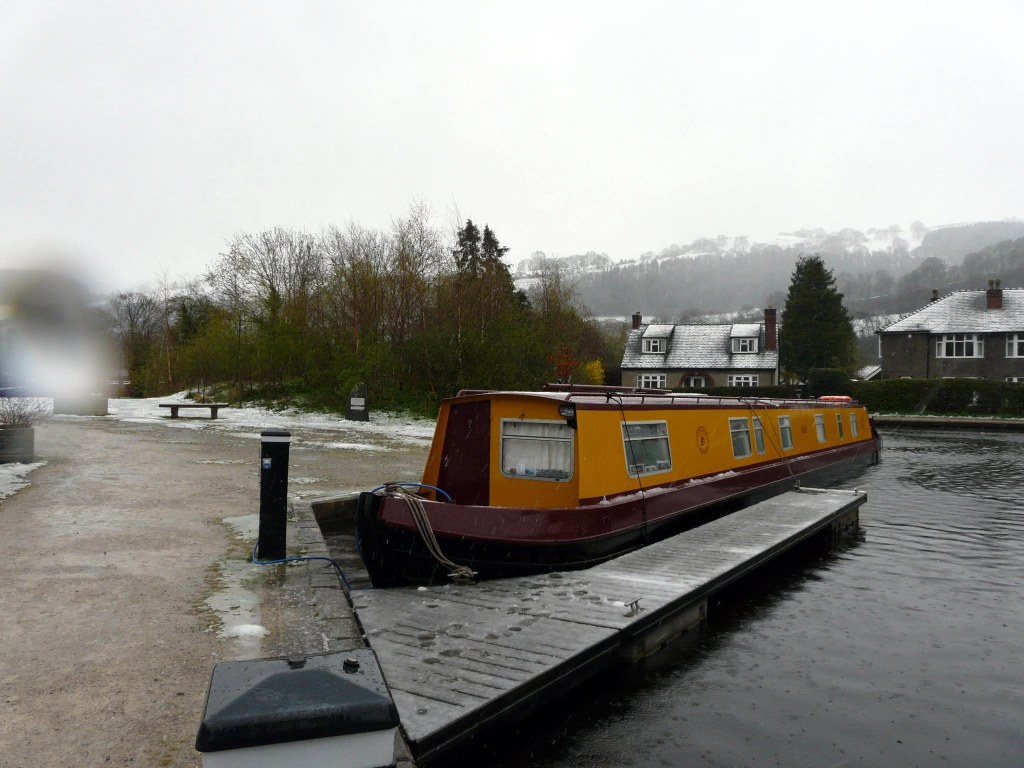
    We also navigated wild weather shifts. What started as warm spring sunshine gave way to sudden wind and snow as we crossed into Wales. Cosy inside the boat, we watched the weather pass through like theatre.

    And yes—at one point, my dad fell in. He was fine (albeit cold), and we still laugh about it.

    The Aqueduct Itself

    Crossing Pontcysyllte is like floating across the treetops. There’s no handrail on one side, just open air and the narrow boat pressed up against the sky. It’s not fast or dramatic. But it’s unforgettable.

    There’s something symbolic about it: a slow, steady crossing over something vast. A moment of perspective. A suspended breath.
    Why It Still Inspires Us

    Looking back, this trip was a turning point. Not because it was exotic or complicated but because it showed us what travel could be when we removed the rush.

    It was:

    • A chance to be together across generations
    • A reminder that weather can be part of the story
    • A way to connect with nature at walking pace (only on water)
    • A nudge toward reflection, not entertainment

    This trip wasn’t about sightseeing. It was about being there.

    Practical Tips for Your Own Canal Trip

    f you’re considering something similar:

    • We started our journey at Nantwich, a charming market town with good hire options and a gentle start to the canal.
    • Follow the Llangollen Canal to take in tunnels, lift bridges, open countryside, and of course the breathtaking Pontcysyllte Aqueduct. More on the route here.
    • Canal boat hire companies offer a wide range of options depending on the time you have available.
    • No prior experience is needed—you’ll be shown how to steer and work the locks.
    • Plan loosely. Leave space for weather, wandering, and pauses.
    • Go slow intentionally—that’s the magic.

    Find more at: https://www.pontcysyllte-aqueduct.co.uk/business-community/boat-trips-boat-hire/
    Final Thought

    Sometimes the most powerful travel stories don’t begin with flights, bucket lists, or epic plans. Sometimes they begin with a boat moving quietly through a valley, a change in the weather, and a family leaning into the moment.

    We didn’t know it then, but that trip was the beginning of our slowest, most meaningful trail yet.

    And yes our dad still gets teased about the canal.

  • Race to the Isle of Wight: A Phone-Free Family Adventure

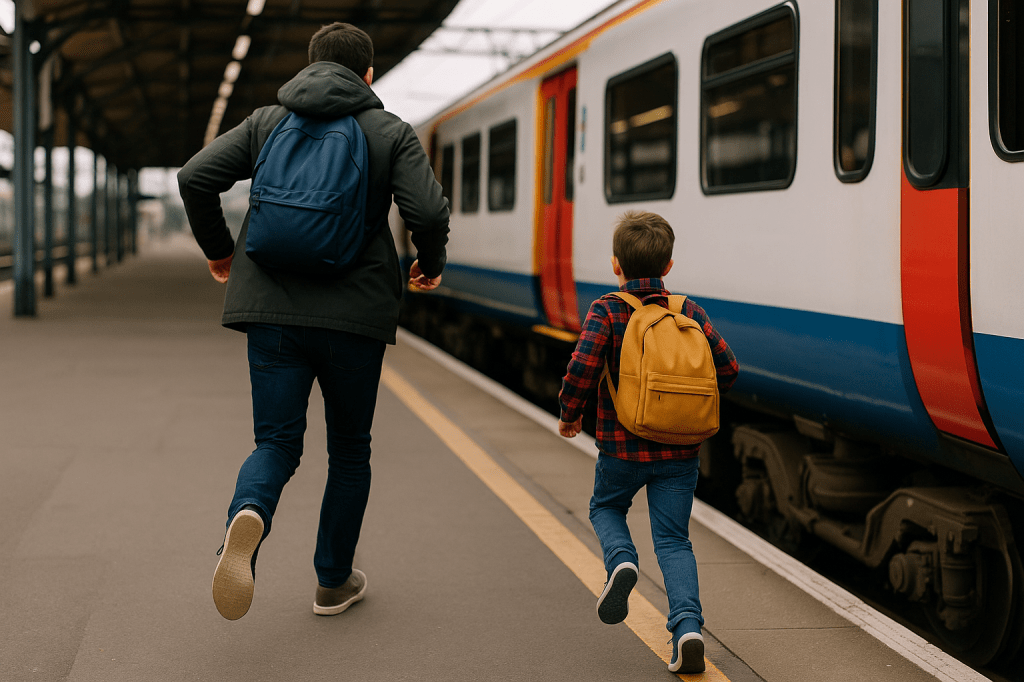
    If you’ve ever watched Race Across the World and thought, “We should do something like that,” you’re not alone. We created our own DIY version—a family race to the Isle of Wight, with public transport, a small cash budget, and one big twist: our children were in charge.

    The challenge

    The rules were simple but exciting:

    • No phones (yes, really!)
    • Cash only—no cards, no apps
    • Public transport only—trains, buses, ferries
    • Two teams, one adult and one child each
    • Final destination: The Needles Chair Lift lower station

    The idea was to encourage confidence, planning, and decision-making in a fun and unpredictable way.

    Planning Under Pressure

    Before we even left home in Farnham, the kids were given just 20 minutes to plan a route with some basic information and a train map. They didn’t know when the trains left or how to get to the ferry ports. They had to ask for directions, talk to staff, and piece together the journey step by step.

    It was eye-opening to see how quickly they adapted. From the very first challenge—finding the train station without knowing the way—they leaned into asking questions, spotting signs, and thinking on their feet.

    Parallel Paths

    Both teams independently chose to head to Southampton, and we even ended up in the same hotel for the first night. That added a cheeky layer of tension as we tried to dodge one another in hotel corridors and breakfast buffets—fueling the playful spirit of the challenge.

    Accommodation wasn’t pre-booked for the first night, so the kids had to ask prices at the front desk and decide what was acceptable. One team even benefited from a lucky room upgrade after chatting to a kind staff member—just one of the many unscripted moments that made the experience so memorable.

    Letting the Kids Lead

    What surprised us most was how confidently the children stepped into their roles as navigators and leaders. They approached bus drivers, train guards, ferry staff, and fellow travellers with questions, soaking up real-world experience in problem-solving and communication. They took genuine pride in explaining the race to curious onlookers—often with a big smile.

    Extend or Condense It

    Although this version was based around the Isle of Wight, the concept could be easily replicated anywhere. If you’re in the southeast of England, Woking or London are excellent starting points with multiple onward routes.

    Some additional reflections:

    • Add an overnight stay to stretch out the fun and reduce stress.
    • Pre-book onward accommodation if you’re travelling during peak times—but keep the journey itself unplanned for spontaneity.
    • Short on time? You can complete the whole adventure in one day, depending on your starting point.

    How to Plan Your Own Family Race

    If you’re feeling inspired, here’s how to get started:

    1. Choose a Final Destination

    Pick a location that’s reachable by public transport and interesting enough to make the journey feel exciting. Coastal spots, national parks, or quirky towns work well. The Isle of Wight was perfect because it required a ferry crossing and had natural waypoints like the Needles to aim for.

    2. Set Simple Rules

    Our ground rules were:No phonesCash onlyPublic transport onlyAdults supervise but don’t lead You could tweak this to suit the age of your children or group size. For younger children, allow limited phone use for emergencies only or set check-in times.

    3. Split into Teams

    Two teams kept things fun and competitive. If you’re a larger family, consider more teams or even joining forces with another family for a bigger challenge.

    4. Add a Surprise or Twist

    We loved not telling the kids the train times. It added a real sense of discovery and required them to interact with the world, not just follow instructions. You could also add a mini-challenge along the way: find a landmark, try a local food, or get a photo with a stranger who’s visited your destination before.

    5. Build in Reflection Time

    Whether it’s a shared meal at the end or a few days staying on at the destination, make space to decompress, laugh, and reflect on the journey. These are the moments that will stay with everyone.

    Final Thought

    In a time when everything is mapped, reviewed, and streamlined, this adventure gave us something beautifully unfiltered and real. It reminded us that not knowing is part of the fun—and that sometimes, the most rewarding adventures are the ones we don’t over-plan.

    If you’re considering your own family race, I highly recommend giving it a try. You might start with a little nervousness, but you’ll end with a whole lot of pride, laughter, and stories to tell.

    And who knows? Your kids might just surprise you—in all the best ways.

    Sometimes the best way to connect… is to disconnect.

    🗂 Download our original planning PowerPoint

    Curious how we set it up? Click here to download our route planning PowerPoint and use it as a template for your own family race