
What if your next trip wasn’t about how far you could go, but how deeply you could arrive?
Welcome to slow travel. At Mindful Trail, we believe travel is about more than ticking off locations. It’s about connecting with places, people, and ourselves in a way that’s grounded, thoughtful, and rich with presence.
This guide is for anyone who’s curious about travelling differently, whether you’re planning a family adventure, a solo reset, or simply looking for a gentler way to explore the world around you.
What Is Slow Travel?
Slow travel is an approach to exploring that prioritises quality over quantity, connection over consumption, and intention over itinerary.
It’s not about speed (although that can be part of it), it’s about how you show up in a place. Whether you’re walking a local trail, taking a scenic train through the countryside, or staying put in one spot for a week, slow travel asks: what if we let ourselves truly be here?
Why Travel Slow?
1. You notice more. The bird calls. The bakery smell. The story behind the stone wall. Slowness invites observation.
2. It reduces stress. Fewer connections, more margin. Travel becomes spacious, not rushed.
3. It’s more sustainable. Choosing trains over planes, walking over driving, and local over global can reduce your footprint.
4. It helps you connect. To the land, to locals, to your travel companions, and to yourself.
5. Kids thrive in it. Slowness makes room for curiosity, questions, and unexpected adventures.
How to Start Slow Travelling
You don’t have to overhaul everything. Begin with one or two shifts in how you plan your next trip:
🌏 1. Go for depth, not distance
Pick one area and explore it more fully. Think a week in the Lakes vs. five cities in seven days.
🚄 2. Choose slower modes of travel
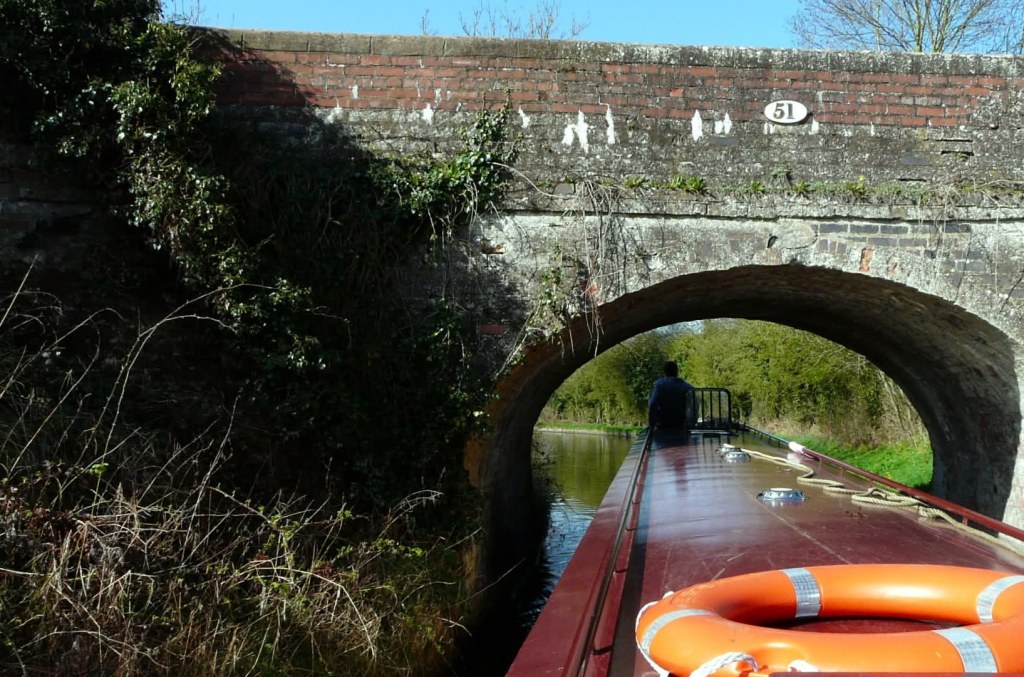
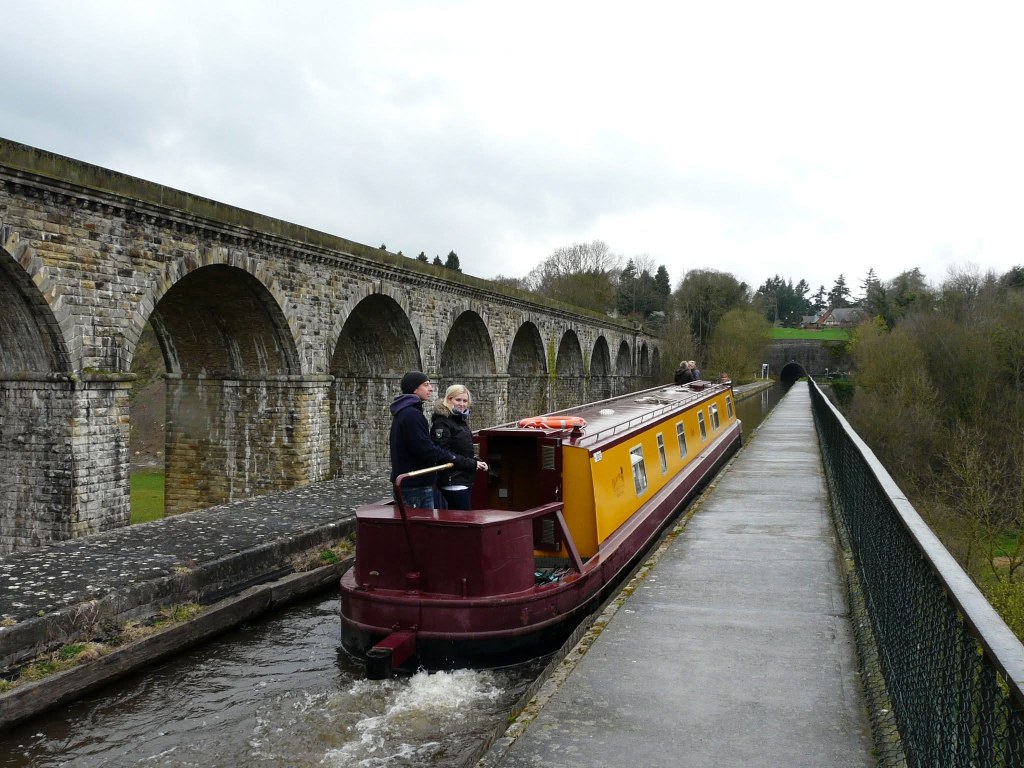
Try walking, biking, buses or trains over flying and driving long distances. The journey becomes part of the story.
☕️ 3. Leave room to pause
Don’t overschedule. Allow time for wandering, resting, or following a child’s spontaneous idea.
🌱 4. Support local and small
Stay in family-run places. Eat at local cafes. Shop from the market.
⚡️ 5. Unplug (a little or a lot)
Limit screen time. Try a no-phone day. Bring a notebook or sketchbook instead.
✈️ 6. Fly less (or flight-free)
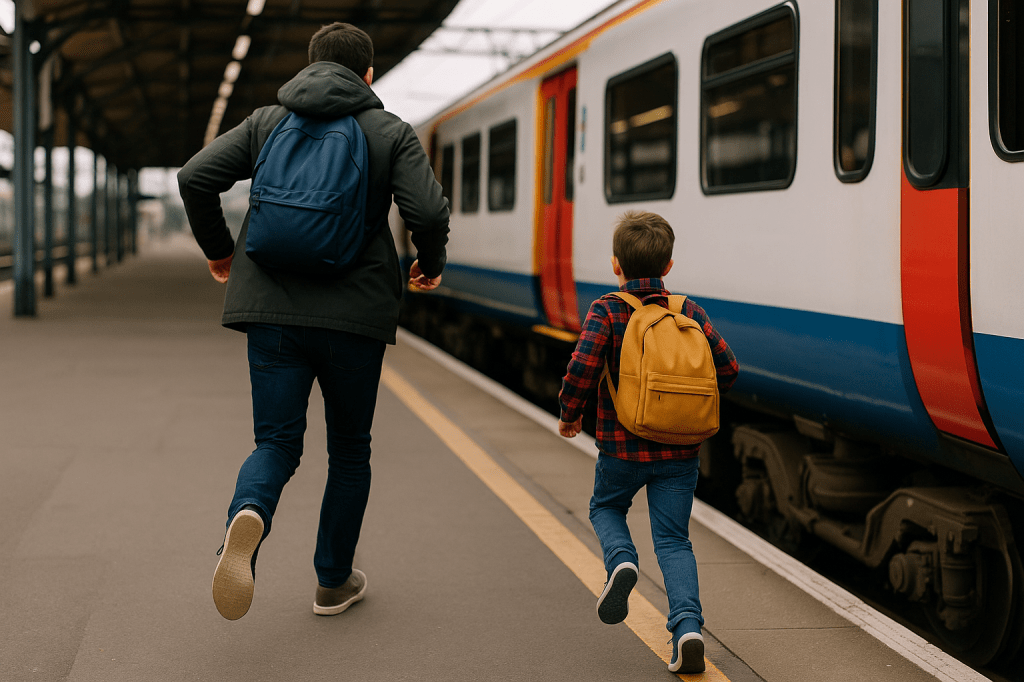
If possible, embrace overland travel. Train journeys can be beautiful, memorable, and grounding. But if flying is necessary, consider ways to pay it forward:
Look out for local conservation initiatives at your destination, volunteer tree planting, beach cleanups, or community gardening days.
Choose accommodation that supports sustainable practices. These actions don’t erase the impact of a flight but they can rebalance your trip with mindful, regenerative intention.
Our Favourite Slow Travel Tools
Here are a few platforms we use and love:
Byway Travel – Amazing for flight-free travel across the UK and Europe. They help you design scenic, rail-based trips.
Slow Ways – A national walking network for exploring the UK by foot, one town at a time.
Responsible Travel – Curated trips with strong environmental and social values.
Find more on our Slow Travel Companies page.
Start Where You Are
– You don’t have to cross continents to travel slowly. You can:
– Take a train to the next town and walk home
– Spend a weekend exploring your local woods
– Plan a tech-free family day outdoors
The mindset matters more than the miles.
Final Thought
Slow travel isn’t about doing less for the sake of it. It’s about making more of what you do.
It’s about giving yourself space to connect, adapt, and feel something real without rushing to the next thing.
So next time you plan a trip, ask: How can I travel more like myself?
And maybe… a little slower too.



 Mindful Trails